You want a car interior that matches the care you put into driving and maintenance. Luxury car carpets deliver that — precision fit, premium materials, and elegant designs that lift your cabin’s look while protecting floors from dirt, moisture, and wear. Choose a high-end carpet that combines exact fit, durable material, and refined styling to transform your vehicle’s interior into a comfortable, long-lasting space.
This article guides you through what sets luxury carpets apart, how design and brand choices affect performance and appearance, and practical tips for installation and upkeep. Expect clear comparisons of top models, benefits you’ll notice every day, and straightforward advice to pick the ideal carpet for your vehicle.
What Makes Luxury Car Carpets Unique
Luxury car carpets combine high-quality materials, expert assembly, and exact measurements to protect your vehicle and enhance its interior. You get better durability, a refined look, and a tailored fit that integrates with factory anchoring and trim.
Materials Used in Premium Car Carpets
Premium carpets use a mix of dense face fibers and resilient backing to resist wear and stains. Common face materials include nylon for abrasion resistance, polyester for colorfastness, and synthetic leather (PVC or PU) for a premium stitched appearance. High-end options add memory foam or closed-cell sponge layers under the top surface to improve foot comfort and reduce road noise.
Backings matter: rubberized or anti-slip EVA and heavy-duty woven substrates prevent movement and protect factory flooring from moisture. Many luxury mats include a water-resistant membrane or a sealed edge to stop liquid seepage and odor buildup. Look for low-VOC adhesives and odor-free materials if cabin air quality matters to you.
Craftsmanship and Manufacturing Techniques
Skilled manufacturing combines machine precision with hand-finishing to ensure consistent quality. Advanced processes use CNC cutting for repeated accuracy, ultrasonic welding or double-stitching for durable seams, and heat-pressed edges for a flush, trim-like appearance that resists fraying.
Hand inspection and spot finishing catch defects that automated lines can miss. Brands often apply treatments—stain repellents, UV stabilizers, and antimicrobial coatings—to extend service life. Attention to thread count, stitch density, and seam placement reduces loose threads and improves resistance to daily abrasion from shoes and cargo.
Precision Fit Engineering
A precision fit starts with exact measurement of the vehicle’s floor contours, pedal clearances, seat tracks, and anchor points. Manufacturers use 3D scans or digitized templates of each model year to produce mats that follow ridges, humps, and trim lines so they sit flush without buckling.
Secure retention systems—factory-compatible clips, built-in anchors, or anti-slip nibs—prevent slippage that can interfere with pedals or damage carpet backing. Tolerances are tight: you should expect gaps under 5 mm at most trim interfaces. Good fit also means removable sections for easy cleaning and full coverage in high-wear zones such as heel pads and footwells.
Design Excellence in Elegant Car Carpets
You should expect clean lines, precise fit, and materials that match your vehicle’s interior while resisting wear and staining. Prioritize finishes and details that elevate appearance without compromising function.
Modern Aesthetic Trends
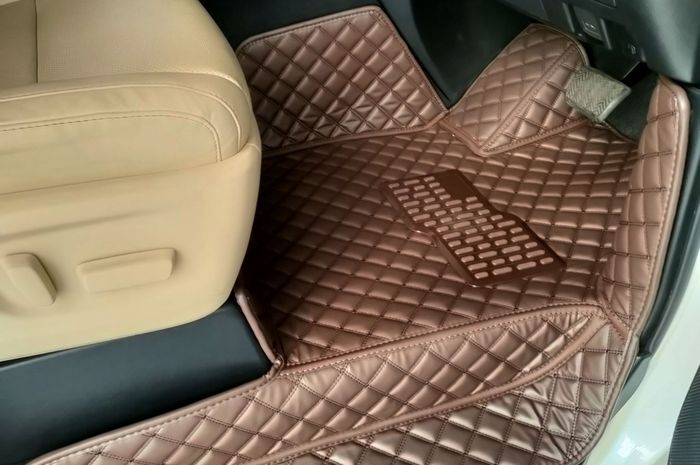
Modern car carpet design emphasizes minimalism and functional detailing. You’ll find low-profile piles, stitched borders, and discreet logos that maintain a refined cabin look without drawing attention. Designs favor geometric patterns—subtle diamond quilting or linear ribs—that add depth but remain understated.
Materials trend toward synthetic leather, multilayer foam, and precision-cut polymer bases for exact fit and edge retention. These choices deliver a tailored appearance and help carpets hold shape under foot traffic. Anti-slip backing and laser-cut seams ensure alignment with factory anchor points, so installation looks factory-made.
Colors lean to muted palettes: graphite, beige-tan, deep brown, and charcoal with contrast piping in black, silver, or cognac. You can combine matte and satin textures to catch light differently across surfaces, adding visual interest while keeping the cabin cohesive.
Color and Texture Selection
Pick colors based on your vehicle’s interior trim and long-term maintenance needs. Dark charcoal and deep brown hide dirt and scuff marks best, while light beige or cream brightens small cabins but shows stains sooner. Match carpet tone to seat leather or vinyl for a coordinated appearance.
Texture affects perceived luxury and durability. Short-cut loop pile feels dense and flat, resisting heel wear and creating a smooth, elegant surface. Plush piles look luxurious but trap debris and require more cleaning. Synthetic leather inserts at heel plates add abrasion resistance and a premium accent.
Use contrast piping or embroidered logos sparingly to highlight design intent. Stitched seams and tone-on-tone embroidery keep the look sophisticated. Request sample swatches before ordering to verify color under your cabin’s lighting and next to existing trim.
Customization Options
Custom cutting and CNC or laser-edge trimming produce precision fit for footwells, transmission humps, and door sills. You should insist on exact measurements or vehicle-specific templates so carpets align with anchor clips and seat rails. A well-cut carpet eliminates buckling and improves safety.
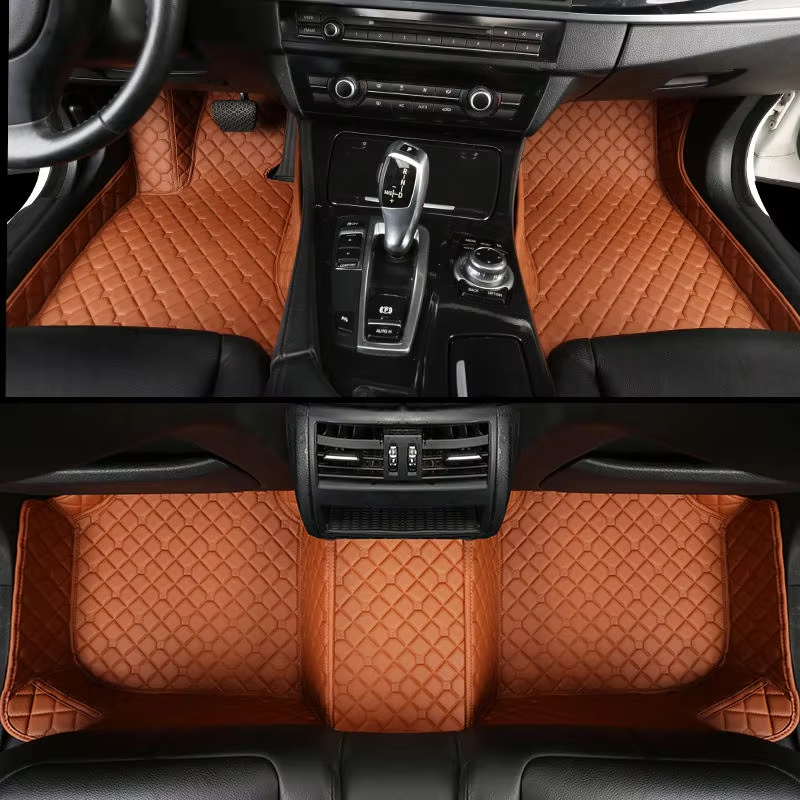
Personalization choices include piping color, embroidered monograms, heel-pad material, and trim inserts (metal, carbon fiber-look, or leather). Choose reinforced heel pads where you drive most, and select non-slip synthetic rubber backing for wet climates. For full coverage, consider multi-piece kits that include trunk liners and rear footwells.
Verify that customization does not obstruct airbags, seat rails, or electronic sensors. Request clear documentation of cut lines and mounting points before production to avoid functional compromises.
Top Brands and Leading Models
Find brands that pair durable materials with precision fit for specific car models, and identify products that match your vehicle type and usage needs.
Bestselling Luxury Car Carpet Brands
- Paramount / Paramount Liner — Known for high-density fiber and anti-slip backing. Choose their Elite or Premium lines if you prioritize stain resistance and sound dampening for sedans and SUVs.
- Emirate — Offers custom-cut mats with stitched edges and leatherette finishes. Ideal if you want a polished, showroom look and easy cleaning.
- Aftermarket OEM-style Brands (brand clusters) — Many manufacturers sell model-specific, factory-fit carpets that mimic original floor contours; pick these for perfect pedal clearance and airbag compatibility.
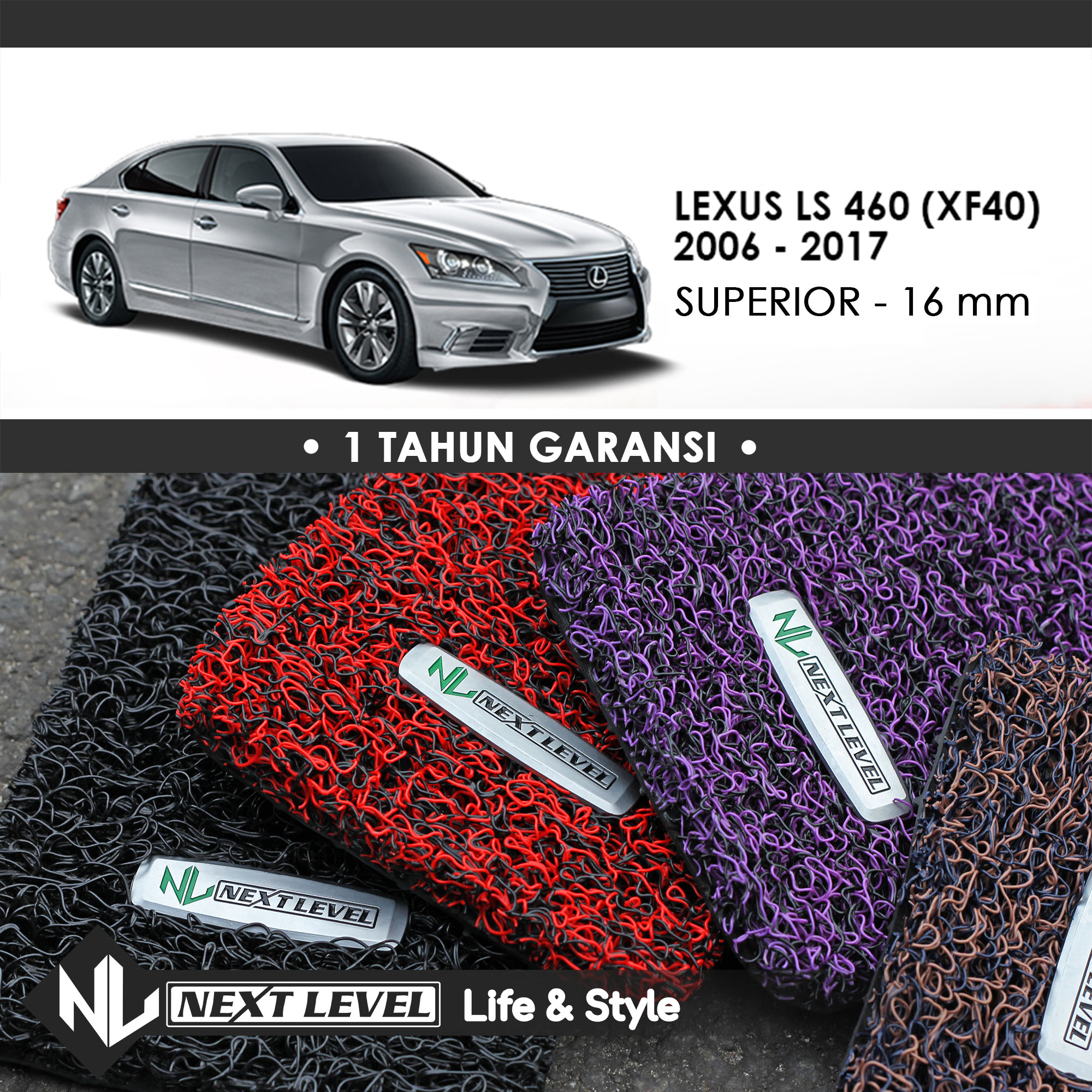
- Coil/EVA specialists — Brands using EVA or coil materials suit heavy-use vehicles (family SUVs, work pickups) because they balance water resistance with quick drying.
Check material specs (pile height, backing type), vehicle-fit listings, and warranty terms before buying. Match installation options (hook-and-loop, clip anchors) to your car’s floor anchors.
Recommended Products for Various Vehicles
Sedans: Choose low-profile, dense-fiber mats with carpet or synthetic leather tops. Look for precise heel-pad reinforcement and slim edges so the driver’s footwork remains unobstructed.
SUVs and Crossovers: Prioritize thick, padded carpets or layered EVA for noise reduction and insulation. Opt for full-coverage kits that include cargo area liners and raised edges for mud and snow control.
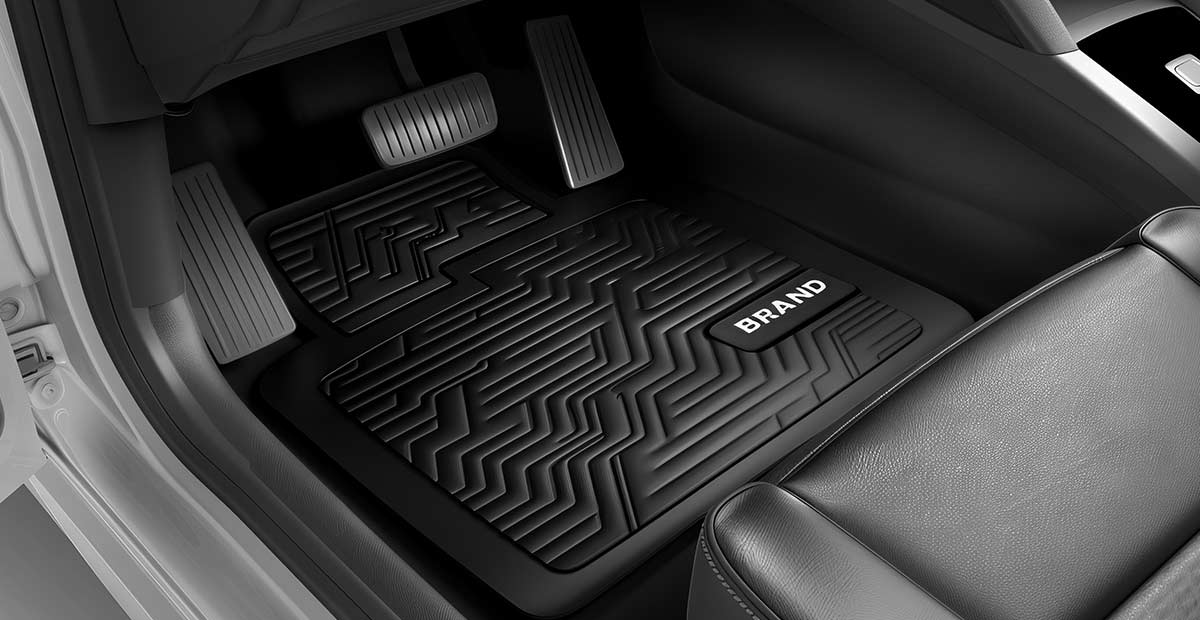
Trucks and Work Vehicles: Select heavy-duty rubberized or coil mats with textured surfaces and deep channels to trap debris. Reinforced driver-side sections and non-slip backing matter most here.
Luxury and Executive Cars: Pick stitched leatherette or plush velour carpets with contrast piping and customized logo embroidery. Confirm exact laser-cut fit to preserve factory thresholds and seat rails.
For each vehicle, verify fitment by model year and trim level, and prefer products with replaceable inserts or modular pieces for easier cleaning and longer life.
Benefits of Choosing High-End Car Carpets
You gain improved comfort, stronger interior value, and easier upkeep when you pick a premium, precisely fitted car carpet. Each benefit translates to specific, practical gains for daily use and long-term ownership.
Enhancing In-Car Comfort
Premium carpets use denser padding and higher-grade face materials, so you feel reduced road vibration and a softer surface underfoot. That matters on long drives; your feet and legs tire less thanks to better shock absorption around pedals and footwells.
Noise reduction often improves significantly with thicker, multilayer constructions. You’ll notice lower cabin rattles and road noise because heavy backing layers and tailored fit minimize air gaps and vibration transfer.
Temperature performance also improves. Quality materials like nylon blends and closed-cell foam resist heat transfer and stay more comfortable barefoot in summer and less cold in winter. The result is a more pleasant, controlled cabin microclimate every trip.
Improving Vehicle Interior Value
A custom-fit high-end carpet maintains factory lines and prevents unsightly gaps or buckling that lower-quality mats often cause. That clean, integrated look preserves the aesthetic appeal buyers notice first during inspections.
Materials that resist staining, fading, and compression help interior surfaces retain their original condition longer. You’ll spend less on interior refurbishment and can command a higher resale price because the cabin shows minimal wear.
Brand-name or OEM-compatible options often include precise anchor points and matching trim edges. Those details matter when appraisers assess originality and finish quality, and they can directly influence the perceived value of your vehicle.
Durability and Maintenance Advantages
Top-tier carpets use wear-resistant fibers and reinforced stitching, so high-traffic areas—driver heel pad, entry edges, and trunk—last far longer. You replace or repair less often, reducing lifetime ownership costs.
Cleaning becomes faster and more effective with stain-resistant treatments and removable sections. You can vacuum, spot-clean with manufacturer-approved cleaners, or remove a floor section for deep wash without damaging shape or backing.
Look for water-resistant backing and edge sealing to prevent moisture migration into the vehicle floor. That feature protects against corrosion and mold, keeping structural components and electronics safer and minimizing costly repairs.
Installation and Care Tips
Choose the right installation method for your vehicle and follow a simple, regular cleaning routine to keep mats fitting precisely and looking new.
Professional Versus DIY Installation
If your car has custom contours, heated seats, or integrated floor sensors, choose professional installation to ensure precise trimming, correct sensor alignment, and factory-safe adhesive use. Professionals use templates or 3D-fit data and can calibrate seat rails and anchors so mats don’t shift under pedals.
You can install universal or semi-custom mats yourself if you have basic tools and patience. Clean the floor, position the mat, trim slowly with a utility knife following the inner edges, and test pedal clearance before finalizing. Use double-sided automotive tape or manufacturer-supplied clips for added retention.
Avoid common mistakes: don’t block seat rails or sensors, don’t over-trim in one pass, and don’t rely solely on heavy weight to keep mats in place. If you detect movement or pedal interference, stop driving and correct the fit immediately.
Cleaning and Maintenance Routines
Follow a schedule: vacuum weekly, spot-clean spills immediately, and deep-clean fabric or coil mats monthly depending on use. For 5D/7D or synthetic leather mats, wipe with a damp microfiber cloth and a mild pH-neutral cleaner; avoid bleach or solvent-based products that can degrade surfaces.
For rubber or EVA mats, remove and rinse with a hose, scrub grooves with a soft brush and mild detergent, then air-dry completely before reinstalling. For coil or carpet mats, shake out debris, use a brush and low-foaming cleaner, and let them dry flat to prevent mold.
Use a small, soft brush around retention clips and under seat edges to remove trapped dirt. Reapply any manufacturer-recommended protectant for synthetic leather to maintain suppleness and UV resistance. Inspect anchor points and fasteners every three months and replace worn clips to keep mats secure.
How to Choose the Ideal Luxury Car Carpet
Focus on material performance, fit precision, and maintenance needs so the carpet stays luxurious and functional. Prioritize slip resistance, odor control, and edge finishing to protect your interior and retain resale value.
Factors to Consider Before Purchase
Evaluate material first: EVA foam and high-density nylon or polypropylene offer different feels and durability. EVA gives cushioning and easy cleaning, while nylon/polypropylene resists abrasion and stains; choose based on how often you drive and whether you transport pets or gear.
Check thickness and backing next. Thicker piles and anti-slip rubber or Velcro-backed bases reduce movement and improve sound insulation. Also confirm edge binding and heel pad reinforcement to prevent premature wear where your feet rest.
Inspect odor and chemical treatments. Avoid carpets with strong factory smells; look for low-VOC labels or washable finishes. Finally, assess cleaning method—removable inserts, water-resistant surfaces, and compatibility with common cleaners will save time and keep your cabin pristine.
Compatibility with Car Models
Verify floor shape and anchor points against your vehicle. Measure footwell length, width, and hump clearance; compare those to the carpet maker’s template or request a custom cut. Precise cutouts for seat rails, console bases, and ISOFIX anchors prevent bunching and safety hazards.
Consider trim and console height differences between base and sport models. A carpet that fits a sedan’s flat floor may fail in a coupe with pronounced humps. If you own a limited or modified model, opt for custom-fit options labeled by make, model, and year.
Finally, confirm retention clip locations and mounting hardware. Properly placed clips keep the carpet tethered underfoot and ensure the accelerator and brake pedals clear the mat at all times.
Where to Buy High-Quality Car Carpets
You can start at authorized brand stores and official online shops to ensure genuine materials and precise fit for your vehicle. These sellers often provide product specifications, installation guidance, and warranty details you can verify before buying.
Large marketplaces and automotive e‑commerce platforms offer wide selections such as PVC, synthetic leather, 5D/7D, and double‑layer mats. Compare seller ratings, customer photos, and return policies to avoid mismatched sizing or poor workmanship.
Specialist retailers and custom mat makers let you order bespoke designs that match your interior contours. Expect to provide your car model and measurements; custom work usually costs more but improves fit and finish.
Consider visiting physical auto accessory stores so you can feel materials and check anti‑slip backing and edge stitching in person. Bring a fabric sample or photos of your footwell to confirm color and texture compatibility.
Use this quick checklist when choosing a vendor:
- Verify authenticity and warranty.
- Check material type (rubber, PVC, synthetic leather, coil, 5D/7D).
- Confirm precise fitment for your car model.
- Review cleaning and maintenance instructions.
Pay attention to delivery and installation options. Some sellers include professional fitting, while others provide DIY guides and templates to help you achieve a clean, precise installation.