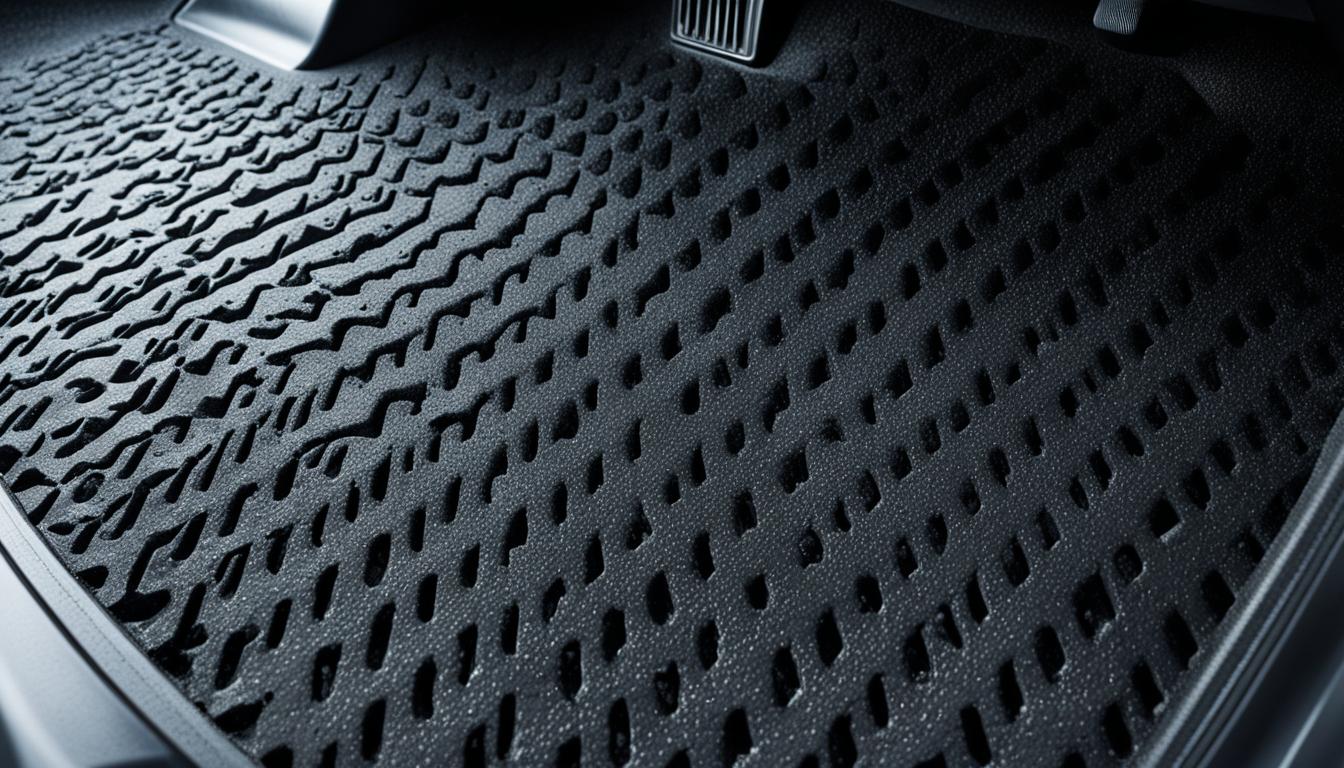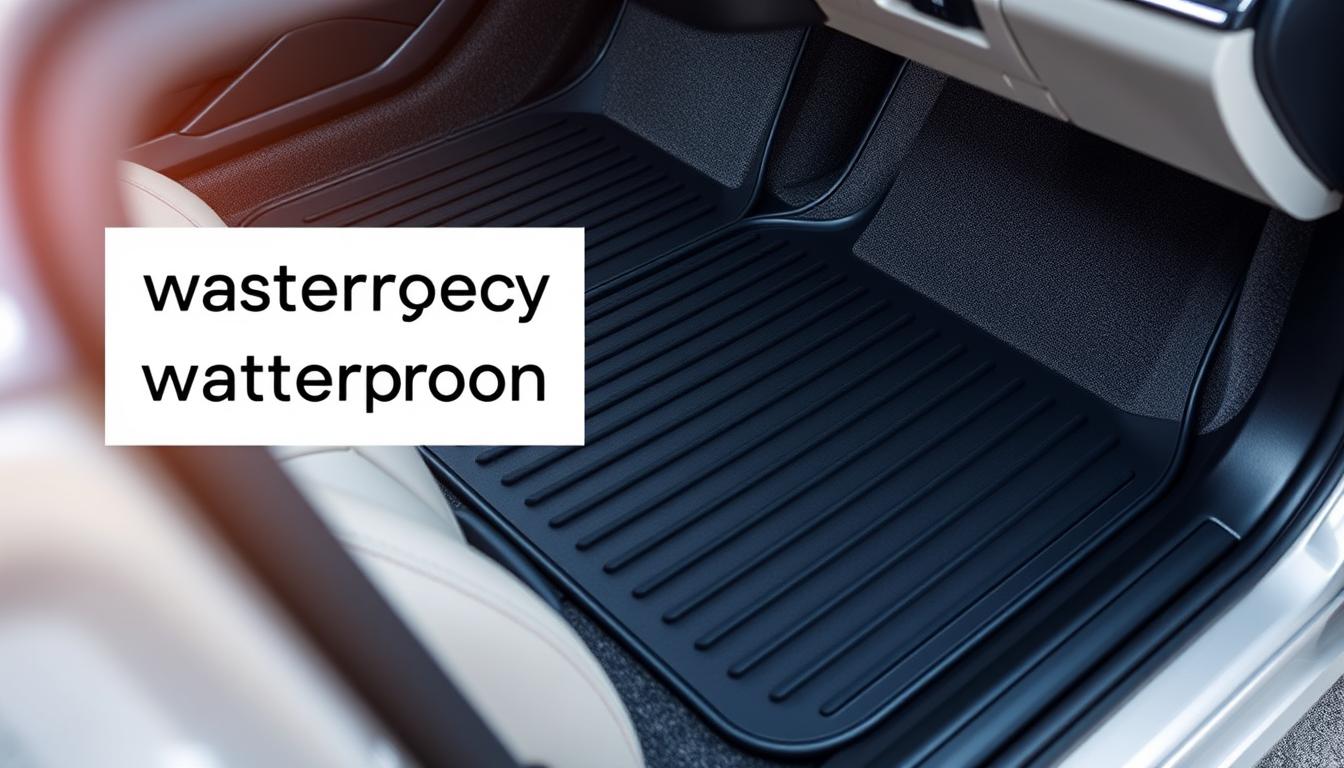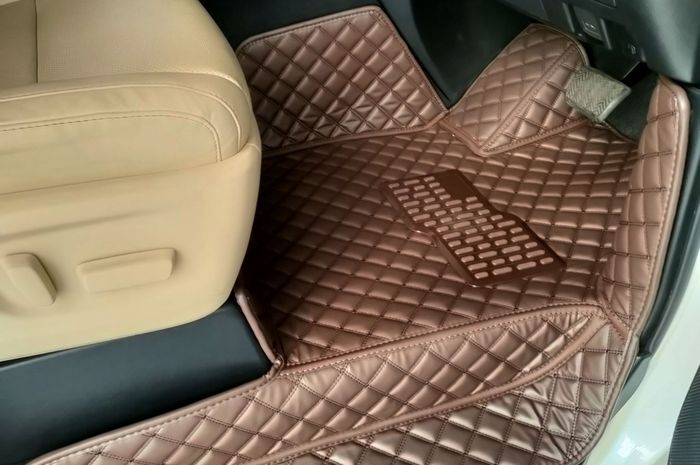
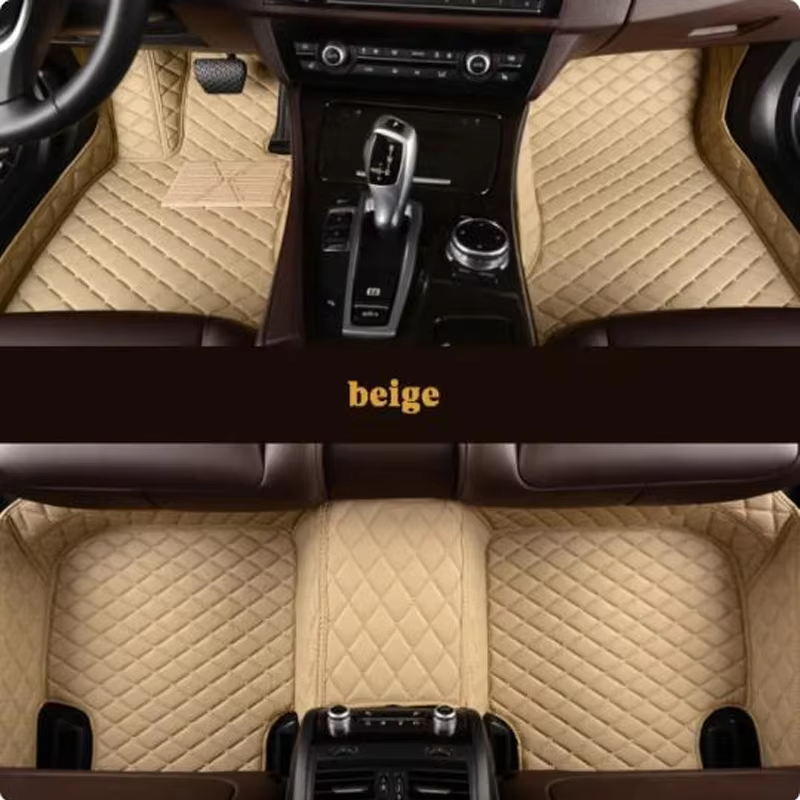
You want your car interior to look and feel like a coordinated, high-end space that still stands up to daily use. A full set of luxury car carpets with premium materials and neat, precision finishing delivers superior protection, a refined appearance, and easier maintenance than standard mats.
This article explains what sets premium full-set carpets apart, how quality materials and careful finishing create a sleek fit, and what installation and upkeep look like so your investment lasts. Expect practical advice on material choices, customization, and how the right carpets can improve comfort and preserve your vehicle’s value.
What Makes Premium Full Set Luxury Car Carpets Stand Out
Premium full-set carpets combine high-grade materials, precise fit, and refined finishing to protect your floor and lift interior aesthetics. They prioritize durability, stain resistance, exact vehicle contouring, and visible craftsmanship in seams and edging.
Defining Luxury Car Carpets
Luxury car carpets use high-density cut-pile fibers or needle-punched blends with specific face weights (typically 800–1,200 g/m²) to deliver plushness and durability. You should look for materials like nylon, polypropylene with anti-static treatment, or blended PET with UV stabilizers; these resist matting and hold color longer than economy fibers.
Padding is part of the system: closed-cell foam or multi-layer felt backing adds insulation, sound dampening, and height to match factory floor levels. Premium carpets also include heel pads at driver footwells and anti-slip backing (rubber nibs, molded grids, or Velcro points) to keep the mat locked to the factory anchors.
Colorfast dyes and stain-resistant finishes (e.g., fluorochemical or eco-friendly hydrophobic treatments) prevent spills from penetrating the fiber quickly. Choose carpets with OEM-compatible cut lines and embroidered logos if you want brand continuity and resale value.
Distinctive Features of Full Set Models
A full set covers all passenger areas: front, rear, middle hump, and trunk or cargo zone when applicable. You gain consistent texture and color across the cabin, which preserves interior symmetry and protects high-wear zones like entry sills and seat rails.
Full sets are laser-cut or CNC-trimmed from a single pattern per vehicle model, ensuring near-100% floor coverage and proper clearance for pedals, seat rails, and air vents. You should expect reinforced areas at heel contact points, stitched or bonded seam joins where sections meet, and factory anchor cutouts to maintain safety tether function.
Customization options matter: piping color, contrast stitching, embroidered vehicle logo, and removable washable liners for high-traffic sections let you tailor the look and maintenance needs to your lifestyle.
Advanced Finishing Techniques
Edges receive binding or heat-sealed hems to prevent fraying and to create a clean visual line against door sills. Manufacturers use overlocked nylon binding, leatherette piping, or aluminum trim strips depending on desired aesthetics and durability.
Seams use nylon lockstitch or ultrasonic bonding to keep joins flat and resistant to separation. For areas subject to heavy wear, companies employ double-stitched reinforcement and thermoplastic overlays that solder to the carpet face without adding bulk.
Finish treatments include anti-slip backing application, water-repellent surface sprays embedded during tufting, and antimicrobial coatings to reduce odors. Laser-cut precision and 3D scanning of floor pans underpin fit accuracy, while pattern nesting reduces waste and improves consistent edge geometry across sets.
Material Selection: Premium Options for Car Carpets
Choose materials that balance stain resistance, comfort, and a premium look. Focus on synthetic leather, high-density nylon, EVA/thermoplastic bases, and thick foam backing for sound dampening and fit.
High-End Carpet Materials
Synthetic leather (PU or PVC) gives a leather-like surface that resists spills and wipes clean easily. Look for microtexture finishes that limit glare and mimic genuine grain without leather’s maintenance.
High-density nylon carpet delivers a plush pile with excellent abrasion resistance. Select 600–1,200 g/m² face weight and tightly twisted yarn for long wear and a luxurious hand feel.
EVA and thermoplastic (TPE/TPR) bases form waterproof, molded layers that follow vehicle contours. They combine with textile top layers or stand alone for full-coverage mats.
Thick sponge or memory-foam backing improves fit and reduces vibration. Choose closed-cell foam to avoid water retention and microbial growth.
Benefits of Premium Material Choices
Premium materials reduce cleaning time and maintain appearance over years. Synthetic leather sheds liquids and oils, so spills sit on the surface instead of soaking in; that makes spot-cleaning faster and prevents odor.
Nylon piles resist matting from foot traffic and preserve pile height, so the carpet looks dense rather than flattened. This preserves resale value and interior aesthetics.
EVA/TPE molded bases prevent moisture from reaching the vehicle floor and protect metal from corrosion. They also provide a nonslip interface with factory flooring, improving safety.
Thicker backings and quality edge binding stop fraying and keep seams aligned with factory trim. That results in a tailored, factory-fit appearance and reduces noise from loose edges.
Material Durability and Comfort
Durability depends on face weight, yarn type, and backing system. Higher face weight and solution-dyed nylon resist UV fading and abrasion; solution-dyed yarns lock color through the fiber, not just on the surface.
Comfort ties to pile height and foam density. Shorter, denser piles are firmer underfoot and easier to clean; longer, cushioned piles feel softer but trap more debris. Match pile type to how you use the vehicle.
Edge finishing matters: double-stitched binding or heat-sealed edges prevent delamination when exposed to water and cleaning solvents. Insist on anti-slip anchors and precision cut lines so the mat stays flat and comfortable during daily use.
Precision Finishing for a Sleek Appearance
You get clean, factory-like edges and a tailored fit that follows your vehicle’s floor contours. The following details focus on stitch types, seam reinforcement, and the measurement and trimming methods that create a seamless look.
Edge Stitching and Seam Quality
Edge stitching uses high-tension, marine-grade thread to resist abrasion and UV fading. You should expect double-needle stitching on outer hems and bar-tack reinforcement at stress points (heel pad, under-seat edges). That combination prevents unraveling and keeps edges flat against the carpet backing.
Pay attention to stitch density: 6–8 stitches per centimeter balances strength and a low-profile appearance. Excessively wide stitches look cheap; overly dense stitching can stiffen the edge. Also verify seam bonding under the stitch—hot-melt adhesive or ultrasonic welds reduce water ingress and stop seam separation on heavy-use models.
Check for aligned pattern seams if your mat has quilting or piping. Misaligned seams break the visual flow; clean alignment signals precise cutting and careful assembly. You should be able to run a finger along the seam and feel only a slight, even ridge.
Custom Fitment Techniques
Custom fitment starts with accurate templates taken from the vehicle floor, seat rails, and tunnel. You should confirm that the supplier uses 3D scans or precision die-cut templates rather than generic molds. That ensures cutouts for seat brackets, ISOFIX anchors, and footrest areas match without gaps.
Edge trimming follows the contour with a CNC or laser cutter to produce identical left/right pieces. After trimming, installers dry-fit and mark any interference points before final hemming. For heel pads and high-wear zones, bonded anti-slip layers and nylon reinforcement are added beneath the top surface to prevent premature compression.
Fastening systems matter: use OEM-compatible clips, anti-slip nibs, and Velcro straps where required. These fix the mat in place without lifting or shifting during entry and egress. If you plan to remove the mats for cleaning, choose designs that release cleanly without tugging on carpet edges.
Installation Process for Full Set Car Carpets
You will prepare the vehicle, check fitment points, and follow a clear sequence for laying, trimming, and securing each carpet piece to achieve a tight, factory-like finish.
Preparation and Measurement
Start by removing all loose items, seats, center console (if removable), and floor mats. Vacuum thoroughly and use a degreaser on stained areas so adhesives and carpet backing bond properly.
Measure the floor length and width at the footwell, under seats, and along door sills. Record the highest and lowest points; note protrusions like seat rails and handbrake housings.
Compare your measurements to the carpet set’s template. If you ordered a preformed full set, verify alignment marks (front/rear, left/right) and inspect for pre-cut holes. Have a sharp utility knife, marker, ruler, and masking tape ready for any trimming. Test-fit each piece dry before applying adhesives or clips.
Step-by-Step Installation Guide
Begin with the rear footwell piece: align it against the seat brackets and door sills. Tuck edges under trim using a plastic trim tool to avoid scratching panels. Use double-sided automotive carpet tape along factory seams and press firmly for 30–60 seconds.
Install center and side pieces next, overlapping seams slightly where designs require. Cut precise openings for seat mounts and handbrake using the marked templates; remove minimal material and test bolt fitment before final trimming. Reinstall seat brackets temporarily to confirm hole alignment.
Apply spray contact adhesive sparingly to areas that require permanent bond (heel pad, transmission tunnel); press carpet into place and weight it until cured. Refit seats and fasteners to factory torque specs. Check that carpets lie flat with no folds and that edge trims are secured under scuff plates or weatherstrips.
Maintenance and Care for Luxury Car Carpets
Keep dirt, spills, and abrasion away from the pile, and perform regular light cleaning plus targeted deep care when needed to preserve appearance and fit.
Cleaning Recommendations
- Vacuum regularly. Use a high-suction upright or handheld vacuum with a soft brush head. Vacuum seats out and along seams; focus on pedal area, footwells, and under seats.
- Shake and remove loose inserts. If your full set has detachable heel pads or mats, unclip and shake them outside before vacuuming the cabin.
- Treat spills immediately. Blot liquids with a microfiber towel—do not rub. Apply a pH-neutral upholstery cleaner to a cloth, test on an inconspicuous edge, then work from the outside of the stain inward.
- For surface dirt and sand, use a soft-bristled brush to lift particles, then vacuum. For embedded grime, use a low-moisture extraction machine or handheld carpet cleaner on its lowest setting.
- Dry thoroughly. After wet cleaning, air-dry with doors open or use a car dryer fan. Avoid heat guns and long sun baking that can warp backing or fade color.
Long-Term Protection Tips
- Use a fabric protector spray formulated for automotive carpets. Apply evenly on clean, dry surfaces and follow manufacturer cure time; reapply every 6–12 months depending on exposure.
- Rotate and replace wear pieces. Swap front and rear mats periodically to equalize wear; replace heel pads before backing shows through.
- Avoid chemical damage. Do not use bleach, solvent-based degreasers, or high-alkaline detergents that break down fibers and adhesive.
- Minimize abrasive contact. Require passengers to remove heavy dirt or spiked footwear when possible, and install a thin rubber underlay beneath the carpet in high-wear zones if you drive in muddy conditions often.
- Store spare mats flat. Keep extra or seasonal mats in a dry, cool place away from sunlight to prevent warping and discoloration.
Style and Customization Options
Choose colors, textures, and personalization that match your car’s interior and daily use. Focus on materials that balance aesthetics with durability and pick personalization features that add function without clutter.
Color and Texture Selections
You can pick from classic neutrals like black, beige, and gray or bolder tones such as deep brown and burgundy to match dashboard and seat trims. Synthetic leather options often come in matte, semi-gloss, or pebble-grain textures; matte hides scuffs, semi-gloss reads as premium, and pebble-grain hides dirt and wear.
Consider contrast stitching in white, tan, or red to accent seat piping and door panels. For high-traffic areas choose a slightly thicker sponge layer and a textured surface to resist slipping and stains. Waterproof backing and sealed seams matter if you expect spills or wet shoes. Request sample swatches for color under your car’s actual lighting before finalizing.
Personalization Features
Add your initials, a logo, or model name embroidered on the heel pad or front-foot area for a tailored look. Embroidery thread color, font style, and placement determine visibility—low-contrast thread keeps a subtle look; high-contrast makes a statement.
You can also specify non-slip heel pads, raised edges to trap dirt, and modular pieces for the trunk, second row, and footwells to simplify cleaning. For tech convenience, ask for cutouts or reinforcement for factory sensors, floor-mounted seat rails, and charging cables. Request labelling of each piece (driver, passenger, rear-left, rear-right, trunk) to ensure precise installation.
Comparing Full Set Car Carpets to Standard Sets
Full-set options cover more areas, use thicker or layered materials, and often include tailored edges and integrated heel pads. Standard sets focus on front-row protection and lower cost, leaving rear floors, cargo bays, or trunk liners less protected.
Coverage Differences
Full-set carpets typically cover front and rear footwells, rear middle hump, trunk or cargo area, and seat-sill edges. You get continuous coverage with matched seams and integrated cutouts for rails and anchors, which reduces dirt migration and protects metal surfaces from moisture.
Standard sets usually include only driver and passenger mats, sometimes a rear bench mat. Expect gaps around the center tunnel, door sills, and trunk transitions that allow debris and liquids to reach factory carpet or bare metal.
If you transport pets, tools, or wet gear, full sets protect high-wear zones better. For occasional use or tight budgets, standard mats offer basic daily protection but require more frequent cleaning of exposed areas.
Value Proposition
Full sets cost more upfront but can save on long-term interior repair and resale preparation. You pay for premium material, precise fitment, and finishing like anti-slip backing and stitched edges that resist fraying.
Standard sets deliver lower initial expense and easier replacement. They work if you mainly drive alone, keep cargo minimal, and prioritize short-term affordability over complete protection.
Weigh replacement frequency, expected lifespan of the vehicle, and how often you haul dirty or wet items. If you plan to keep the car several years or want a near-factory look, full sets often provide better total value.
Enhancing Vehicle Value with Premium Carpets
Premium full-set carpets protect your vehicle’s interior from stains, wear, and moisture, which preserves original flooring and trim. You reduce visible deterioration that buyers often use to lower resale offers.
You signal care and maintenance to prospective buyers when you install carpets with neat finishing and quality materials. Clean, well-fitted carpets suggest the vehicle received regular attention and fewer hidden issues.
Use features to justify higher asking prices:
- Material quality: synthetic leather, thick sponge, or high-grade PVC resist compression and look newer longer.
- Fit and finish: precise edges, secure fastenings, and layered backing prevent shifting and wear.
- Ease of cleaning: removable top layers or replaceable sections maintain appearance with minimal effort.
Document the upgrade with photos and receipts to strengthen resale claims. Provide before-and-after images and brand/spec details so buyers see the tangible improvement.
Consider carpets as a low-cost investment with measurable returns. They enhance perceived luxury, protect core components, and can shorten sales time while supporting a stronger asking price.