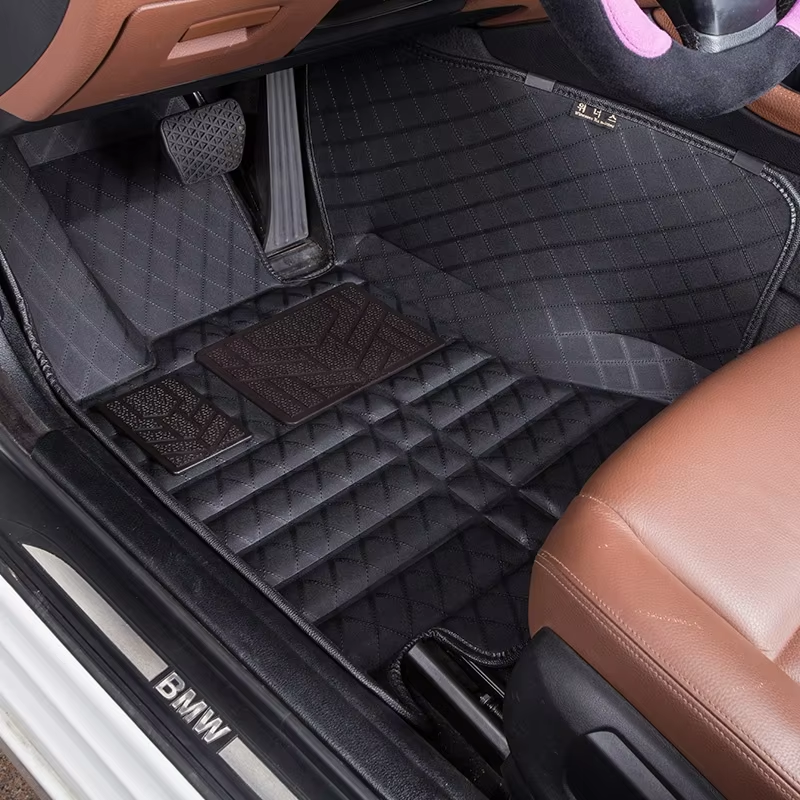
Want your car interior to look and feel unmistakably upscale? Custom luxury car mats with your logo upgrade aesthetics while protecting floors, giving you a tailored finish that matches the rest of your interior.
A custom logo carpet creates an exclusive, cohesive look and delivers practical benefits—precise fit, premium materials, and easier cleaning—so your investment improves both style and function. Expect the article to walk you through material choices, design options, installation and care, how to pick a reputable maker, and what drives price versus value, so you can choose a carpet that fits your taste and budget.
Understanding Luxury Custom Logo Car Carpets
Luxury custom logo car carpets combine tailored fit, premium materials, and precise branding to upgrade your cabin’s look and protection. They prioritize material performance, exact logo reproduction, and fit that follows your vehicle’s contours.
Definition and Key Features
A luxury custom logo car carpet is a floor covering made from high-grade materials—such as premium wool blends, dense nylon pile, or bonded leather—with your chosen emblem or text integrated into the surface. You get high-density backing for shape retention, anti-slip pads or anchors for safety, and increased edge coverage that wraps corners and kick areas.
Key features to check:
- Material type and pile density for wear resistance.
- Exact-fit templates for full floor coverage.
- Logo reproduction method (digital print, embroidery, or tufted) for durability and clarity.
- Protective treatments: stain resistance, UV stabilization, and moisture barriers.
Choose options that match your use: wool blends for luxury and temperature control; heavy synthetic piles for stain resistance and high-traffic durability.
How Customization Enhances Exclusivity
Customization lets you control every visible detail so your car reflects a specific identity. You can request exact Pantone colors for the logo, choose contrast piping, and position the logo on driver, passenger, or rear mats.
Personalization elevates perceived value in three practical ways:
- Visual distinction: a precisely reproduced emblem anchors a designer look.
- Tailored ergonomics: cutouts and heel pads placed where you actually need them.
- Limited runs: ordering small batches or one-offs prevents mass-market appearance.
These choices not only create a bespoke look but also allow functional tweaks—thicker heel areas, added insulation, or removable inserts—so exclusivity doesn’t sacrifice day-to-day performance.
Differences from Standard Car Carpets
Standard car carpets are usually mass-produced, using entry-level polymers and generic, one-size templates that leave gaps at edges and under pedals. They often use surface-applied prints or stickers that wear quickly and lack backing that prevents curling.
Contrast with luxury custom carpets:
- Fit: custom pieces follow exact OEM measurements, eliminating exposed factory flooring.
- Durability: premium fibers and backing systems resist flattening and moisture migration.
- Branding fidelity: tufted or digitally integrated logos maintain sharpness through cleaning and wear.
If you prioritize long-term appearance and precise branding, custom luxury carpets justify higher initial cost through extended life, better protection, and a distinctly upscale presentation.
Benefits of Installing Luxury Custom Logo Car Carpets
Installing luxury custom logo car carpets upgrades your cabin visually, reinforces identity, and adds tangible comfort and protection. You get a tailored fit, a branded appearance, and materials designed to resist wear and spills.
Elevating Interior Aesthetics
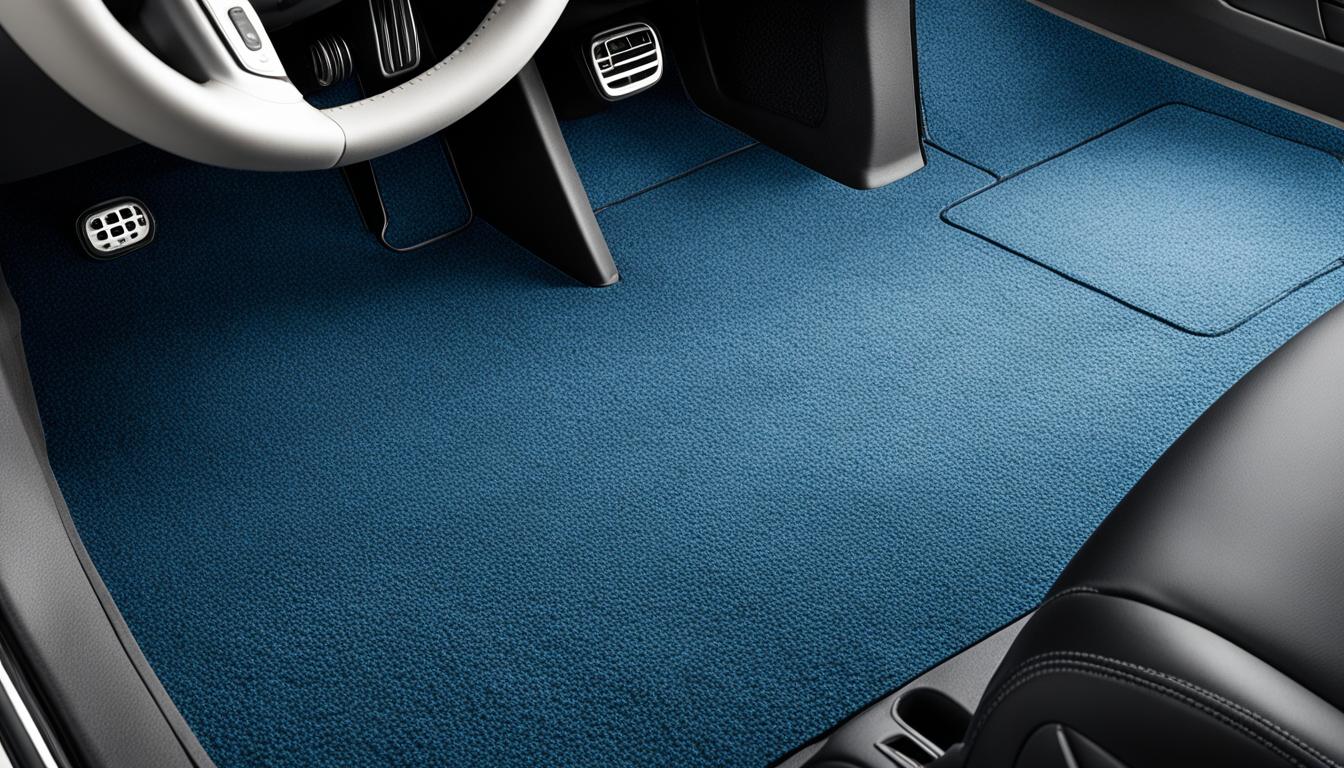
Custom logo carpets create a cohesive, high-end look by matching colors, stitch patterns, and trim to your vehicle’s interior. You can choose leather, synthetic leather, or premium woven materials and select contrast stitching or piping that highlights door trims and seat lines.
A precise, laser-cut fit eliminates gaps and overlays, producing near-total floor coverage and a seamless appearance. That precision reduces visible edges and prevents dirt from accumulating in corners, keeping the cabin looking polished longer.
Visual upgrades also raise perceived value. A neatly integrated logo at the footwell or heel pad signals attention to detail and can make the cabin feel closer to showroom condition, especially when paired with matching accessories like branded seat covers or steering-wheel trims.
Improving Brand Identity and Personalization
Placing your logo or custom emblem on the carpet reinforces identity every time you enter the vehicle. Whether you promote a company fleet or express personal style, the logo serves as a consistent branded touchpoint tied to color, font, and placement choices you control.
You can order single-piece runs for fleet consistency or one-off bespoke pieces for private cars. Options include embroidered, embossed, or laser-cut logos, each providing different texture and durability levels. Embroidery gives depth and longevity; embossing offers a subtle, premium look; laser-cut inlays allow high-detail graphics.
Consistent branding can also support resale value in niche markets. Buyers who appreciate a well-maintained, branded interior notice coordinated elements and may value the perceived care and customization you invested.
Additional Comfort and Protection
High-density foam backing and thicker pile materials provide measurable sound dampening and reduce road vibrations underfoot. You’ll notice reduced cabin noise and a slightly firmer, more supportive step when entering or exiting the vehicle.
Luxury materials resist staining and are easier to clean than factory carpets. Many custom options offer waterproof layers and anti-slip heel pads in high-wear zones to protect the original floor from moisture, salt, and abrasion. Removable, washable top layers let you clean spills quickly without replacing the entire mat.
Durability also translates to long-term cost savings. A tailored carpet that protects underlying flooring prevents rust and wear, reducing the likelihood of costly interior repairs or early replacement.
Design Options and Personalization
Choose materials, logo treatments, and colors that match your car’s interior, intended use, and budget. Prioritize durability and fit when selecting finishes, and pick logo techniques that balance visual impact with ease of maintenance.
Material Choices and Finishes
Select materials based on wear resistance, ease of cleaning, and visual match to your cabin.
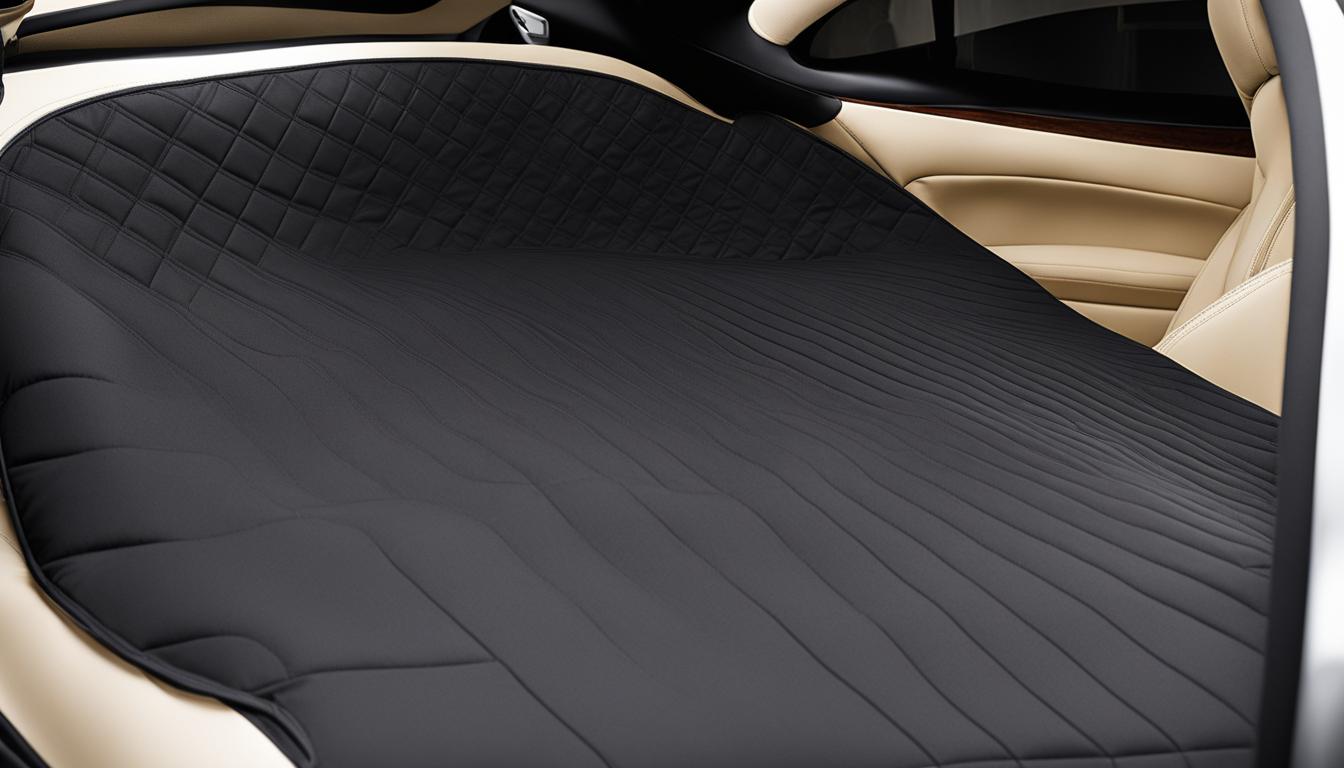
- Synthetic leather (PVC/PU leather): Water-resistant, easy to wipe, and available in stitched patterns like diamond quilting. It resists stains and suits daily use.
- Thick sponge-backed synthetic: Adds cushioning and sound dampening; ideal if you want extra comfort underfoot.
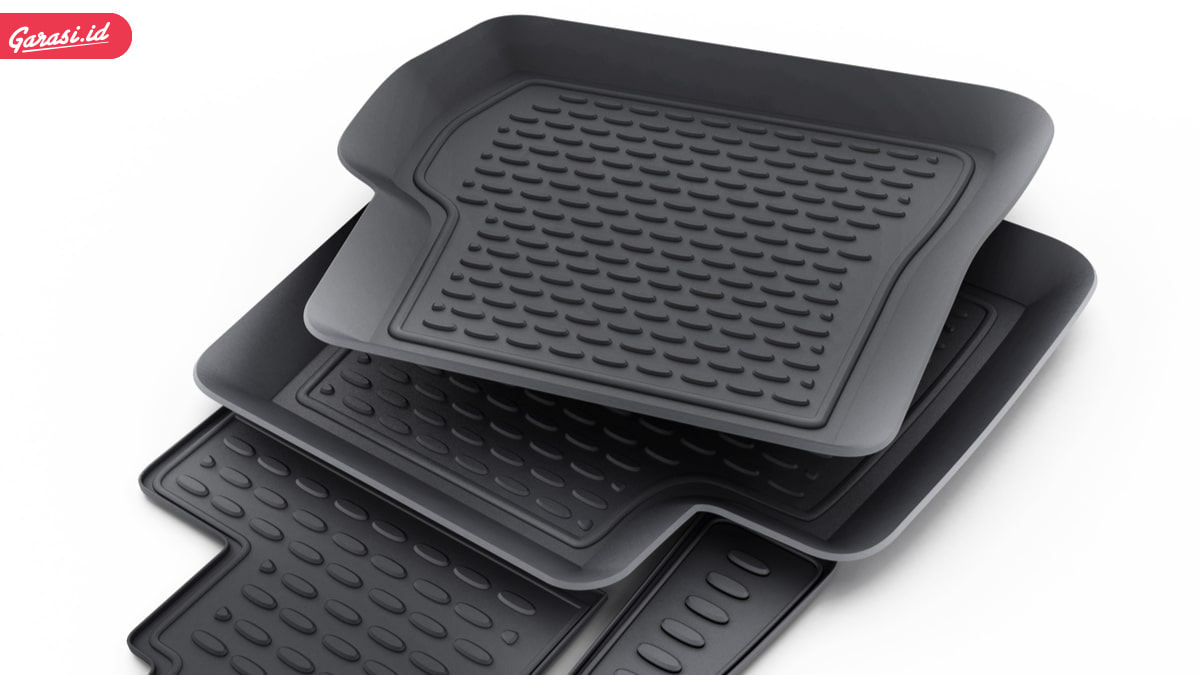
- 7D/5D layered mats: Multi-layer construction (top leather-like layer, foam, backing) gives a luxurious look and anti-slip performance.
- Wool or wool-blend options: Natural insulation and flame resistance; choose only if you accept higher maintenance.
- Finishes to consider: matte for subtle luxury, glossy/patina for show cars, stitched piping for contrast, and coil or rubberized backing for grip.
Measure footwell contours precisely and request laser-cut or CNC-fit patterns for full coverage and zero gaps.
Logo Style and Embroidery Techniques
Decide how prominent and durable you want your logo to be.
- Flat embroidery: Tight stitches produce a refined, low-profile logo that resists abrasion; best for repeated foot traffic areas.
- 3D puff embroidery: Raised, bold look that stands out on passenger-side or trunk mats; may wear faster under heavy use.
- Debossing/embossing: Pressed logos on synthetic leather give a subtle, integrated appearance with minimal maintenance.
- Heat transfer and polyurethane (PU) patches: Good for complex full-color logos; water-resistant but can peel if applied poorly.
- Placement and size: Keep driver-side logos smaller to avoid wear; reserve large center logos for passenger or rear mats.
Ask for reinforced stitching and sealed edges around logo areas to prevent fraying and water ingress.
Color Matching and Theme Customization
Match your mats to existing interior hues and create a cohesive theme.
- Exact-match panels: Provide a color sample or OEM code to achieve near-identical leather tones for a factory look.
- Contrast piping and stitching: Use complementary colors (e.g., tan piping with black leather) to echo dashboard or seat accents.
- Two-tone and patterned options: Mix textures—smooth center with quilted borders—to add depth without overwhelming the cabin.
- Brand or club themes: Incorporate subtle trims in brand colors, but avoid bright or reflective tones that distract while driving.
- Durability of dyes: Choose UV- and wear-resistant dyes for colorfastness; request a test swatch if color fidelity is critical.
Specify whether you want removable, washable inserts or fixed mats to match your maintenance preferences.
Installation and Maintenance Guide
You will learn when to hire a pro versus installing the custom logo mats yourself, how to clean specific materials without damage, and what actions prolong the mats’ life.
Professional vs DIY Installation
Choose professional installation when mats require precise trimming, integrated anchoring, or matching multiple-piece sets to factory floor contours. Professionals use templates, torque the retention clips to factory spec, and seam-finish edges so the logo alignment stays perfect. This reduces gaps that trap dirt and prevent pedal interference.
Do-it-yourself works for bolt-on or full‑coverage mats with pre-cut templates and simple snap anchors. Required tools: trim knife, plastic pry, measuring tape, and alignment chalk. Follow these steps: 1) remove old mats and vacuum; 2) dry-fit the new mat; 3) trim 2–3 mm at a time if needed; 4) attach anchors and test pedal clearance. If you see uneven edges, loose seams, or any pedal contact, stop and call a pro.
Cleaning and Care Tips
Identify the mat material first: PVC leather, synthetic leather, sponge-backed layers, or quilted 5D/7D surfaces. Use a soft-bristle brush and a vacuum for daily dirt removal. For PVC or synthetic leather, wipe with a microfiber cloth and a mild detergent solution (1 tsp neutral soap per 1 liter water). Rinse with a damp cloth and dry immediately to avoid water seeping into glued seams.
For stitched or diamond‑pattern tops, clean seams with a soft toothbrush and avoid aggressive scrubbing that can fray thread. Remove salt or oil stains promptly with isopropyl alcohol applied to a cloth—test on an inconspicuous spot first. For foam-backed mats, avoid steam cleaners and high heat that can compress the sponge; air-dry flat after washing.
Longevity and Durability Considerations
Rotate mats between driver and passenger positions if wear concentrates on the driver’s heel. That evens wear on textured surfaces and stitched logos. Use heel pads or protector inserts under high-wear areas to prevent thread abrasion and maintain logo clarity.
Avoid chemical degreasers, solvent-based cleaners, and direct sunlight storage that fade colors and weaken adhesives. Refasten anchors every 3–6 months and inspect backing for delamination; reapply automotive-grade adhesive patches where small lifts appear. If seams start opening, have a trusted upholsterer re-stitch with UV-resistant polyester thread to restore strength and keep the logo edges crisp.
Selecting the Right Provider for Custom Car Carpets
Choose a supplier that combines precise fitment, durable materials, and clear customization options. Focus on measurement accuracy, sample availability, and explicit lead times to avoid surprises.
What to Look for in a Manufacturer
Look for laser-cut or CNC-pattern capabilities that ensure exact fit to your vehicle’s year, make, and model. A manufacturer should list supported vehicle templates (e.g., Toyota Avanza 2019–2024) and show how they handle unique features like center tunnels, seat rails, and under-dash areas.
Inspect material specifications: type of carpet face (nylon, polypropylene, synthetic leather), backing construction, and water-resistant treatments. Demand heavy-duty edging, anti-slip backing, and 99% floor coverage claims backed by photos or technical drawings.
Verify production scale and quality control. Ask for inspection reports, sample swatches, and photos of finished mats in your specific vehicle. Check factory lead times, return policy, and whether they offer professional installation or instructions.
Customization Process Overview
Confirm the provider’s customization workflow before you order. It should include: 1) vehicle fit confirmation, 2) material and color selection with swatches, 3) logo design upload and proofing, and 4) final approval step.
Require a digital proof that positions your logo at scale and shows stitch type and thread color. If you want embossed or metal-badged logos, verify mock-ups and placement templates. Ask how they handle special requests like raised heel pads, perimeter piping, or removable carpet inserts for cleaning.
Check production timing and shipping options. A reliable provider will state lead times (e.g., 10–21 business days), offer expedited runs, and provide tracking. Make sure they document serial or order numbers for any future reorders.
Customer Support and Warranty
Ensure the provider offers clear warranty terms covering defects in materials and workmanship, with specific time frames (e.g., 2 years) and coverage limits. The warranty should list exclusions such as misuse, improper installation, or aftermarket modifications.
Evaluate pre- and post-sale support channels: email, phone, live chat, and an online ticketing system. Look for documented return and repair procedures, including who pays shipping for warranty claims and expected resolution times.
Read customer reviews that reference responsive service, accurate proofs, and honored warranties. Prioritize vendors that keep records of your logo file and vehicle fit so you can reorder identical mats later.
Popular Trends and Inspirations
You’ll find that modern luxury car mats combine precise fit, premium materials, and brand-aligned aesthetics to upgrade interior feel and durability. Expect options that prioritize tailored shape, layered construction, and logo placement that integrates with existing cabin lines.
Trending Designs for Luxury Car Interiors
- Material layers: Many premium mats use a multi-layer build: a stitched top layer (PVC leather or synthetic leather), a dense sponge or foam middle for comfort, and a waterproof backing for protection. This combination improves sound insulation and prevents moisture transfer.
- Pattern and stitch: Diamond quilting and contrast stitching remain popular. Choose stitch color that matches seat piping or dashboard accents to create cohesive interior lines.
- Fit and edge finish: Custom-cut mats that follow the floor contours (5D/7D styles) reduce movement and eliminate gaps. Raised edges or anti-slip surfaces protect against spills without interfering with pedal clearance.
- Logo placement: Embroidered or metal-badged logos on the heel pad or corner provide brand presence without obstructing function. Place logos where they won’t wear quickly from foot traffic.
Influences from Global Automotive Brands
Global automakers set clear cues you can apply to custom mats. High-end brands favor subtlety: muted tones, fine-grain leather textures, and small, debossed logos that echo OEM branding.
- Color and trim matching: Match mat colors to OEM carpet or seat leather; brands like Mercedes and Lexus often use complementary contrast piping to signal craftsmanship.
- Functional cues: Sport models influence reinforced heel pads, while luxury sedans inspire thicker insulation and plush surface finishes. Look at how manufacturers integrate floor anchors and use anti-slip fasteners for safety.
- Brand language: Use font style, badge size, and placement consistent with your vehicle’s emblematic look. Replicating OEM proportions keeps the mat looking factory-approved rather than aftermarket.
Pricing and Value Considerations
You should expect prices to vary by material, customization level, and installation choices. Focus on what you get for the price: fit precision, logo embroidery/embossing quality, and durability.
Factors Affecting Price
Material choice drives most of the cost. Full-grain leather or high‑grade PVC leather with stitched diamond patterns costs more than synthetic leather or basic PVC. Ask for specific material thickness (mm) and backing type—anti‑slip rubber or foam padding adds to comfort and price.
Customization increases cost directly. Embroidered or embossed logos, contrast piping, and bespoke color matching require design setup, samples, and labor. Precision-fit (laser-cut or stitched seams) for your exact make/model adds manufacturing time and tooling fees.
Order size and package level matter. Single-piece custom sets for luxury SUVs cost more than standard trims or multi-set promotions. Installation service, shipping, and warranty length also affect final price.
Cost vs. Value Analysis
Compare upfront price to lifespan and maintenance needs. A higher-cost custom mat that resists UV, stains, and wear can outlast cheaper universal mats, reducing replacement frequency and total cost per year. Request estimated lifespan (years or kilometers) from the supplier.
Evaluate logo treatments for long‑term appearance. Embroidery holds detail but can snag; embossing or debossing on quality leather resists fading. Check warranty terms for stitching, delamination, and color fading—longer warranties signal supplier confidence.
Balance aesthetics and resale impact. A tasteful, well‑matched logo and high‑fit finish can preserve or slightly raise perceived interior value at resale. Avoid overly large or brightly colored logos that may limit appeal to future buyers.
Conclusion
Choosing a custom logo luxury car mat elevates your interior with a clear, personalized touch that reflects your taste. You get protection, fit, and a cohesive look without compromising comfort.
Invest in materials and precise fit for durability and ease of cleaning. Options like synthetic leather, PVC leather, or tailored 5D designs provide different balances of appearance and maintenance.
Consider features that matter most to you: anti-slip backing, edge sealing, and removable inserts for simple cleaning. These details maintain resale value and keep the cabin looking refined over time.
Budgeting wisely lets you prioritize the aspects you value: design prominence, material quality, or exact fit. If resale or long-term use is important, favor custom-fit, premium materials.
Quick checklist:
- Material: choose for durability and ease of maintenance.
- Fit: custom molds the floor shape for a seamless look.
- Logo placement: keep it tasteful and proportionate.
Make your choice based on practical needs and the aesthetic statement you want to make. Your interior will feel more exclusive and cohesive when the mat matches both design and function.