You spend a lot of time in your car, so choosing a luxury, anti-slip carpet that’s easy to clean directly improves comfort, safety, and cabin hygiene. A premium non-slip car mat with durable, stain-resistant materials and a secure backing gives you a quieter ride, better pedal traction, and simple maintenance without sacrificing style.
This article walks you through the key features to look for, the real benefits of anti-slip designs, how to pick the right fit and material for your vehicle, plus practical installation and cleaning tips. You’ll also see how top brands compare, what environmental factors to consider, and how to weigh cost versus long-term value so you can make a confident, informed choice for your car.
Key Features of Luxury Non-Slip Car Carpets
Expect materials that prioritize comfort and durability, anti-slip systems that lock the mat in place under varied driving conditions, and cleaning designs that let you remove dirt and spills quickly without degrading the carpet.
Premium Materials for Comfort
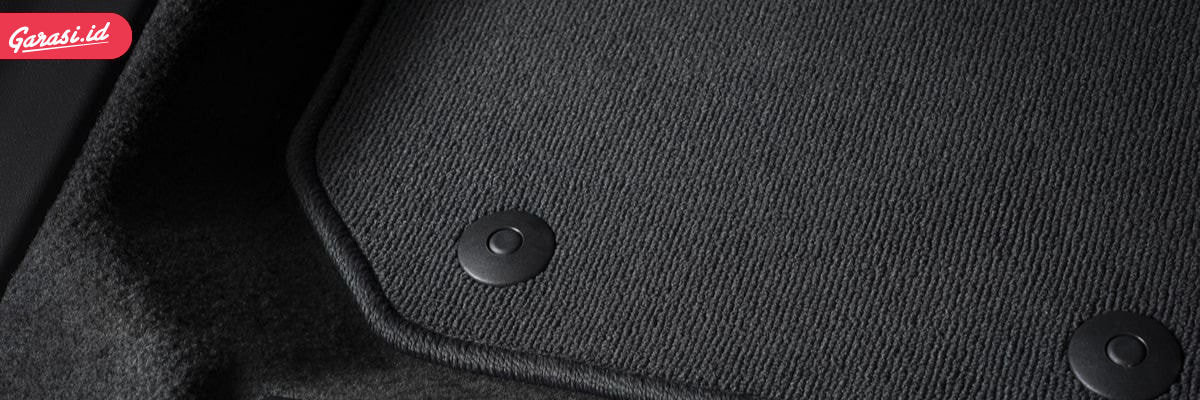
Choose carpets made from high-density nylon, velour, or premium EVA-backed PVC to balance softness and wear resistance. High-density nylon fibers resist flattening and abrasion from constant foot traffic, while velour adds a plush feel that reduces vibration transmitted to your feet.
Look for a multi-layer construction: a top textile layer for comfort, a foam or rubber middle for sound dampening, and a waterproof backing to protect the vehicle floor. Density (g/m²) or pile height specifications indicate longevity; higher numbers mean thicker, longer-lasting fibers.
Pay attention to colorfastness and anti-odor treatments. UV-stable dyes prevent fading in sunlight. Antimicrobial coatings reduce mildew and smells after spills. If you prioritize luxury, seek OEM-fit or custom-cut options that follow your vehicle’s footwell contours precisely.
Advanced Anti-Slip Technology
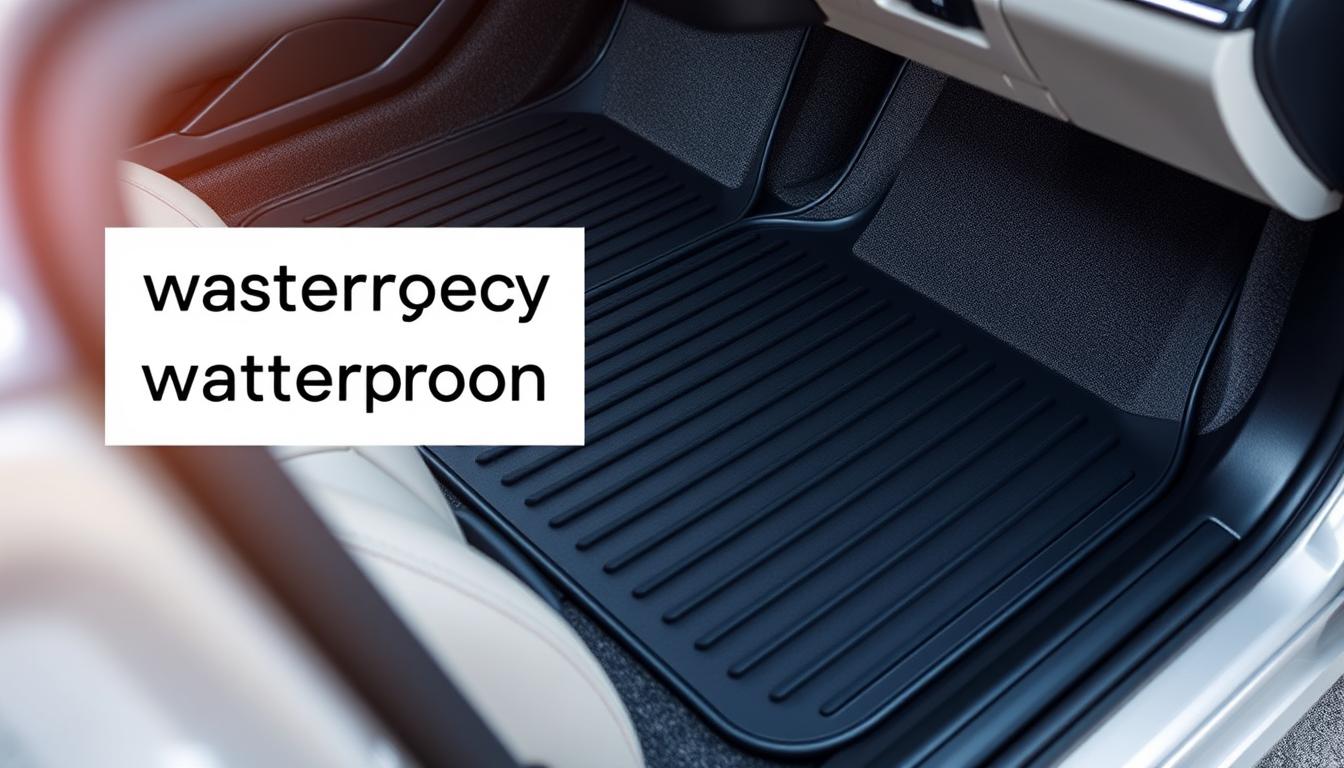
Effective anti-slip systems combine textured backings, retention clips, and shaped profiles to prevent mat migration. A patterned TPU or rubber nibbed backing increases friction against the factory carpet; this is more reliable than simple Velcro alone.
Some luxury mats use integrated anchors that snap into factory floor hooks. These anchor points distribute shear forces and stop rotation under the pedals. Look for ISO- or OEM-compatible anchor designs to ensure secure attachment without interfering with pedal travel.
Surface grip matters too. Rubberized heel pads and raised ribbing near the pedals improve contact during wet conditions. Prioritize mats with tested slip coefficients or vendor data showing resistance to lateral movement under load.
Easy Cleaning Mechanisms
Pick mats with stain-resistant top layers and sealed seams to prevent liquid penetration. Materials like TPU-coated fabrics and closed-cell EVA repel water and oils, so spills bead up on the surface for quick blotting.
Design features that speed cleaning include removable sections (heel pads), one-piece lift-out construction, and smooth non-porous backings that don’t trap grime. Many luxury mats tolerate machine washing or pressure-washing; check manufacturer temperature and pressure limits before cleaning.
For routine care, vacuuming plus a damp microfiber wipe handles most dirt. For deeper stains, use pH-neutral cleaners and avoid bleach or harsh solvents that break down adhesives and backing. Storing mats flat after washing preserves shape and prevents edge curl.
Benefits of Anti-Slip Car Carpets
Anti-slip car carpets improve pedal control, protect your cabin from spills and debris, and resist wear from daily use. They reduce movement underfoot, block dirt and moisture from reaching the factory floor, and hold up to repeated cleaning without losing grip.
Enhanced Driving Safety
Anti-slip carpets keep the mat securely in place so your foot never catches on a folded edge or slides unexpectedly. That stability matters most during hard braking, quick lane changes, or when wearing slippery-soled shoes. Look for carpets with textured backing, adhesive points, or integrated anchors that match your vehicle’s factory retention system.
A properly secured mat also prevents interference with the accelerator and brake pedals. You reduce the risk of pedal obstruction incidents, which are a known safety hazard. Choose a carpet sized to your model and test fit before final installation to ensure full pedal clearance.
Protection for Car Interiors
These carpets form a reliable barrier against dirt, mud, water, and food stains, keeping the original flooring cleaner and preserving resale value. Many luxury anti-slip mats use waterproof cores or raised lips to contain spills, so liquids channel away from seams and fasteners.
You’ll also cut down on abrasive wear from grit and stones trapped beneath shoes. That reduces carpet fiber breakdown and discoloration in high-traffic zones like the driver’s footwell. Prioritize materials that resist staining and are compatible with regular vacuuming or rinsing.
Long-Term Durability
Anti-slip designs extend the usable life of both the mat and the underlying floor by preventing constant shifting and crumpling. When a mat sits flat and secured, stress concentrates less on edges and stitching, so seams and fasteners last longer.
Select carpets made from high-density materials such as thermoplastic rubber, reinforced PVC, or heavy-duty carpet fibers fused to a non-slip base. Those constructions withstand repeated cleaning, UV exposure, and daily abrasion while maintaining grip and shape. Regularly inspect anchor points and clean according to the manufacturer’s instructions to preserve performance.
Selecting the Right Luxury Car Carpet
Choose a carpet that balances grip, durability, and easy maintenance while matching your car’s interior and driving habits. Focus on material, anti-slip performance, and precise fit to avoid movement underfoot.
Factors to Consider When Choosing
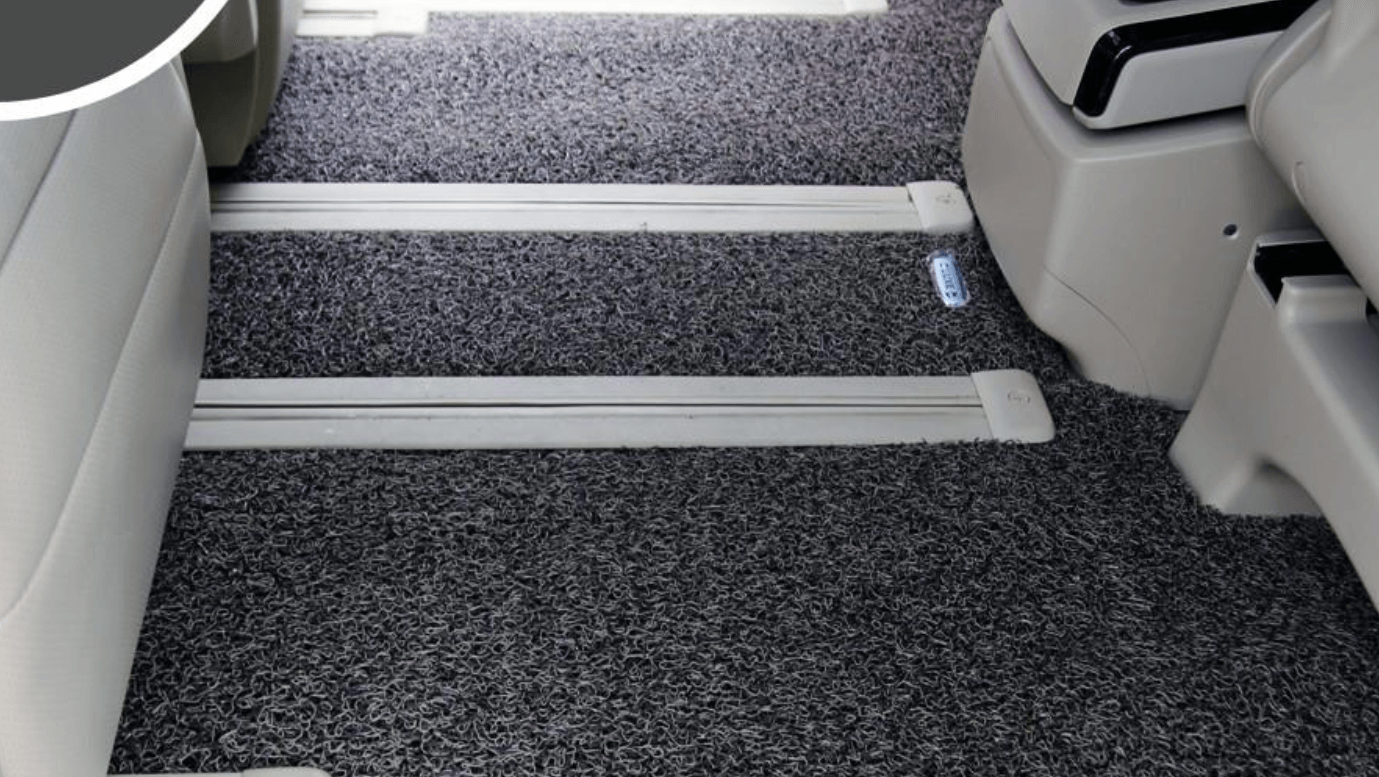
Evaluate material first: PVC/rubber offers best water resistance and easy rinsing, nylon/velour gives a premium look but needs gentle cleaning, and TPR/EVA combines lightweight durability with good grip.
Check anti-slip features: look for textured backing, molded heel pads, or integrated clips/fasteners that align with your car’s anchor points. These prevent shifting near pedals.
Prioritize stain and odor resistance if you carry kids, pets, or food. Choose closed-cell or coated surfaces and carpets with antimicrobial or anti-odor treatments.
Consider pile height and edge binding: low pile cleans easily; reinforced edges resist fraying. Finally, verify manufacturer cleaning instructions—some high-end fabrics require steam or specialist cleaners.
Popular Styles and Customization Options
Decide between universal mats and fully custom-fit sets that mirror floor contours. Custom sets usually cover footwells, trunks, and seat back areas and lock into OEM anchors.
Select color and trim to match or accent your interior—common choices include black, beige, deep gray, and contrast piping in red, tan, or silver.
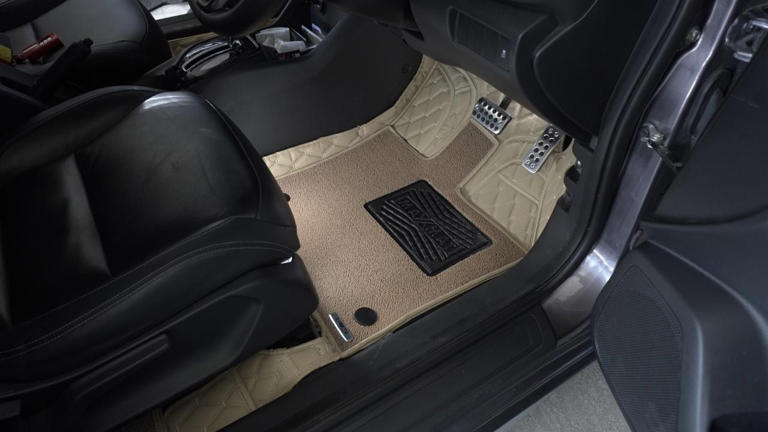
Look for embossed patterns, diamond-stitch options, or integrated heel pads for style and durability. Some suppliers offer logo embroidery, laser-cut shapes, or removable top layers for easy cleaning.
If you want extra protection, choose layered designs with a waterproof base and a replaceable top layer; this lets you maintain a premium look without replacing the whole mat.
Size and Fit Compatibility
Measure your car’s footwell length, width, and contour depth before ordering. Use OEM floor map or template guides supplied by sellers to confirm coverage around pedals and under seats.
If buying universal mats, choose one with trimmable edges and multiple anchor slots. Ensure anchors line up with your car’s retention points to avoid mat migration.
For SUVs and vans, check trunk and cargo floor dimensions separately; some luxury carpets include modular pieces for loadspaces. When in doubt, order a custom pattern based on your vehicle’s make, model, and year to guarantee edge-to-edge fit and secure anti-slip performance.
Installation and Maintenance Tips
Install the mat so it sits flat, anchors engage, and edges clear pedals. Clean weekly and address spills immediately to protect material and anti-slip backing.
Simple Installation Process
Start by removing existing floor liners and vacuuming the footwell to remove debris. Place the carpet in the correct orientation (driver side marked) and align edges to door sills and center console.
Engage any factory anchor points or supplied clips; press firmly until you hear or feel a snap. For universal fits, trim excess with scissors following the printed trimming guides; cut small amounts and test fit repeatedly.
Check pedal clearance by sitting in the driver’s seat and pressing all pedals fully. Ensure the carpet does not bunch under the accelerator, brake, or clutch. Re-adjust anchors or trim more if the mat shifts during a test drive.
Routine Cleaning for Longevity
Shake out or vacuum loose dirt at least once a week to prevent grit from abrading fibers. Use a handheld vacuum with a brush attachment for seams and edges.
For spot cleaning, blot liquids immediately with a microfiber cloth. Apply a pH-neutral upholstery cleaner or a mild soap solution to a cloth, test on an inconspicuous area, then work outward from the stain without saturating the backing.
For deeper cleans, remove the carpet and hose it down; scrub gently with a soft brush and mild detergent, then rinse thoroughly. Air-dry flat and reinstall only when fully dry to avoid mold and loss of anti-slip performance.
Preventing Common Carpet Issues
Prevent slipping by keeping anchor points free of dirt and replacing worn clips. If the anti-slip backing peels, use automotive-grade adhesive tape designed for textiles rather than household glues.
Avoid chemical cleaners with bleach or petroleum solvents; they can degrade waterproof coatings and backing. Use boot liners or temporary covers when transporting wet or muddy loads to minimize saturation.
Address odors by drying thoroughly and using baking soda or a sneaker deodorizer sprinkled into the fibers, left for 30 minutes, then vacuumed. Replace the carpet if stitching unravels, padding compresses, or the backing delaminates, since these issues impair safety and fit.
The Impact of Premium Car Carpets on Comfort
Premium car carpets change how your cabin feels and sounds by improving tactile luxury, reducing odors, and cutting road and drivetrain noise. They also protect the factory floor from moisture and stains while making cleaning and maintenance quicker.
Improved Cabin Ambience
Premium carpets use denser fibers and multi-layer backing that feel plusher underfoot and maintain shape after repeated use. You’ll notice softer foot contact at the pedals and under passengers’ feet, which reduces fatigue on long drives.
Choose carpets with anti-odor treatments and moisture barriers to prevent musty smells and mold growth. This keeps air inside the cabin fresher and protects underlying insulation from water damage caused by spills or wet shoes.
Fit and finish matter: laser-cut edges, custom-fit contours, and secure anchoring prevent bunching and gaps. That precise fit preserves the original interior lines and prevents dirt from migrating under the carpet where it’s harder to clean.
Noise Reduction Benefits
Thicker carpet piles and dense foam or rubber backing absorb airborne and impact noise more effectively than thin OEM mats. You’ll hear fewer tire roar and gravel impacts at highway speeds, which makes conversations and in-car audio clearer.
Premium carpets also dampen vibration transmitted through the floor pan. Less vibration reduces perceived mechanical harshness from the drivetrain and suspension, improving perceived ride quality without changing vehicle components.
For best results, pair carpets with sound-deadening underlayers in high-noise areas like the footwells and trunk. Targeted layering reduces specific frequency ranges (tire and road noise) so the cabin sounds quieter across typical driving conditions.
Comparison of Top Luxury Anti-Slip Car Carpet Brands
Expect clear differences in materials, fit, and real-world performance: some brands prioritize premium leather-like surfaces and precise OEM fit, while others focus on durable rubberized bases and easy-wash textures. Price, warranty, and claimed anti-slip systems vary and affect long-term value.
Material Quality and Construction
Look for layered construction: a wear surface (leatherette, nylon velour, or EVA), a dense foam backing for sound deadening, and a non-slip base (rubber nibs, silicone dots, or molded channels). Brands using stitched, edged seams and reinforced heel pads resist fraying where the driver’s foot rests.
Pay attention to waterproofing methods. Some use bonded seams plus a raised lip to contain spills; others rely on hydrophobic top layers that let liquids bead up for quick wiping. Density matters: higher-density foam and thicker top layers score better on durability tests and resist compression under heavy use.
Fit and trimming affect safety. Custom-fit mats that align with OEM anchor points reduce movement and minimize pedal interference. Universal mats may save cost but often require trimming and additional anchoring to meet the same safety standard.
User Experience and Reviews
You’ll notice trade-offs in real use: leather-like luxury mats score high for cabin aesthetics and easy surface wiping, but users sometimes report slipperiness on wet shoes unless the base has strong anti-slip features. EVA and rubber composite mats often win in muddy or snowy conditions because debris rinses off and the raised channels trap moisture.
Customer feedback frequently highlights odor and initial stiffness. Premium brands that include odor-free treatments and pre-flexing tend to get better early reviews. Longevity comments focus on stitching failure and heel-pad wear; look for brands offering multi-year warranties and replaceable driver-side inserts.
Installation experience matters. Users prefer mats that snap into existing anchor points without shifting. Check reviews for reported pedal interference or mat curling; those issues appear most often with poorly trimmed universals or low-density foam that deforms under heat.
Environmental Considerations in Car Carpet Manufacturing
You should weigh raw material choices for durability and environmental impact. Rubber and synthetic fibers resist wear and moisture, but they vary in recyclability and embodied energy.
Consider emissions and energy use during production. Manufacturing processes for rubber and tufted carpets can consume significant energy and produce VOCs; choosing suppliers with cleaner production reduces your footprint.
Look for recyclable or biodegradable options to lower end-of-life impact. Some carpets use recycled polymers or natural fibers that make disposal and recycling easier, though performance and maintenance differ.
Use care when assessing chemical treatments and coatings. Anti-slip and anti-bacterial finishes improve safety and hygiene, but they may introduce persistent chemicals; prefer low-VOC, non-toxic formulations when possible.
Evaluate transport and product lifespan together. Locally sourced materials and long-lasting carpets cut total emissions, because durable products reduce replacement frequency and shipping needs.
You can compare environmental profiles using simple criteria:
- Materials: recycled vs virgin, natural vs synthetic
- Chemical treatments: low-VOC and non-toxic preferred
- Energy & emissions: third-party verified energy performance helps
- End-of-life: recyclability, biodegradability, and take-back programs
Demand transparency from brands about life cycle impacts. Labels, LCA summaries, and supplier disclosures let you choose carpets that balance comfort, safety, and environmental responsibility.
Cost and Value Analysis of Luxury Car Carpets
When you compare prices, luxury car carpets often cost more due to higher-quality materials like synthetic leather, hybrid foam layers, and precision-fit bases. Expect a range from mid-tier premium options to handcrafted luxury pieces that carry a noticeable price premium.
Consider these value factors when choosing:
- Durability: thicker, multi-layer carpets resist wear and staining longer.
- Maintenance: anti-slip bases and water-resistant tops reduce cleaning time and protect the cabin.
- Fit and finish: custom-fit carpets reduce movement and improve safety around pedals.
Price breakdown (typical ranges):
- Entry premium: $40–$100 — improved materials, basic fit.
- Mid premium: $100–$300 — hybrid layers, better anti-slip backing.
- Luxury/custom: $300+ — handcrafted, exact-fit, premium surface materials.
You should weigh upfront cost against lifecycle cost. A higher initial price can save on replacements and deep-cleaning expenses over years of use.
Also factor in intangible benefits such as reduced cabin noise and improved aesthetics. Those benefits can increase resale value and daily comfort, which you may find justifies a higher spend.