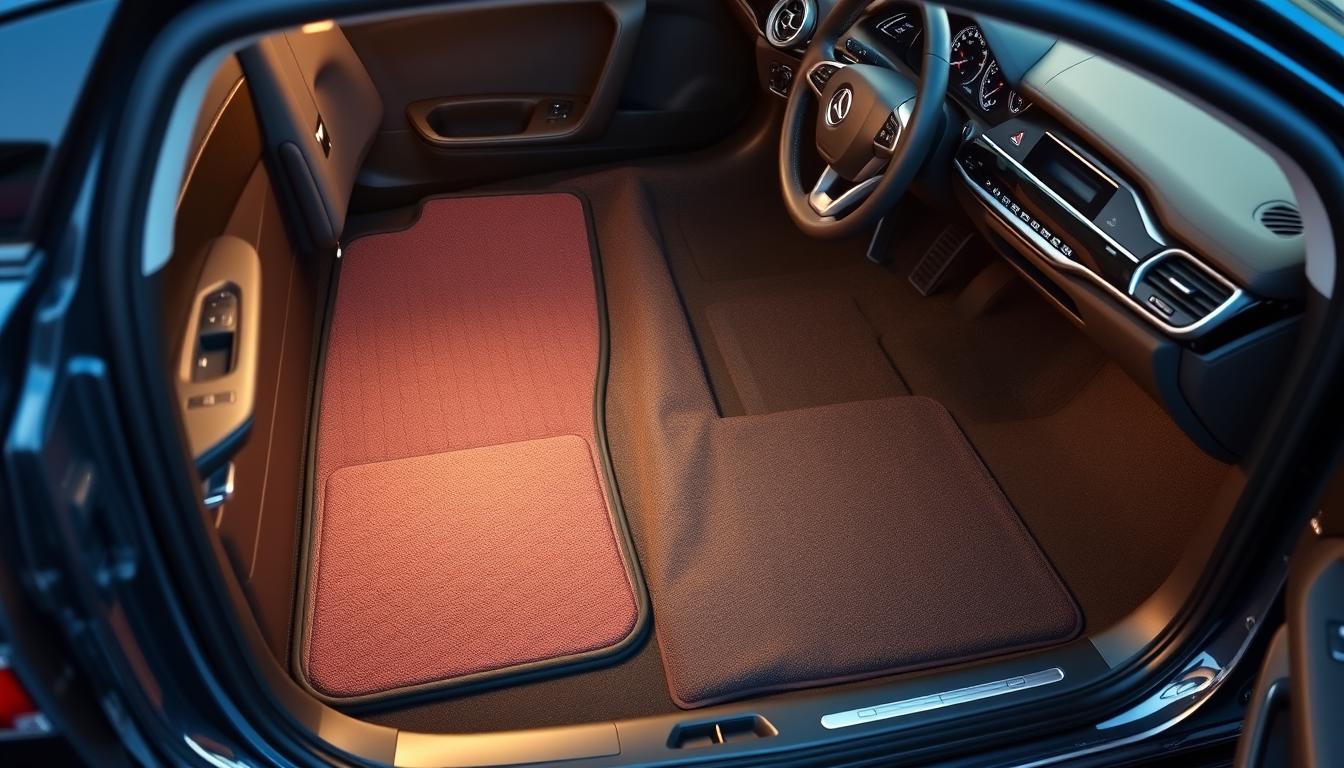
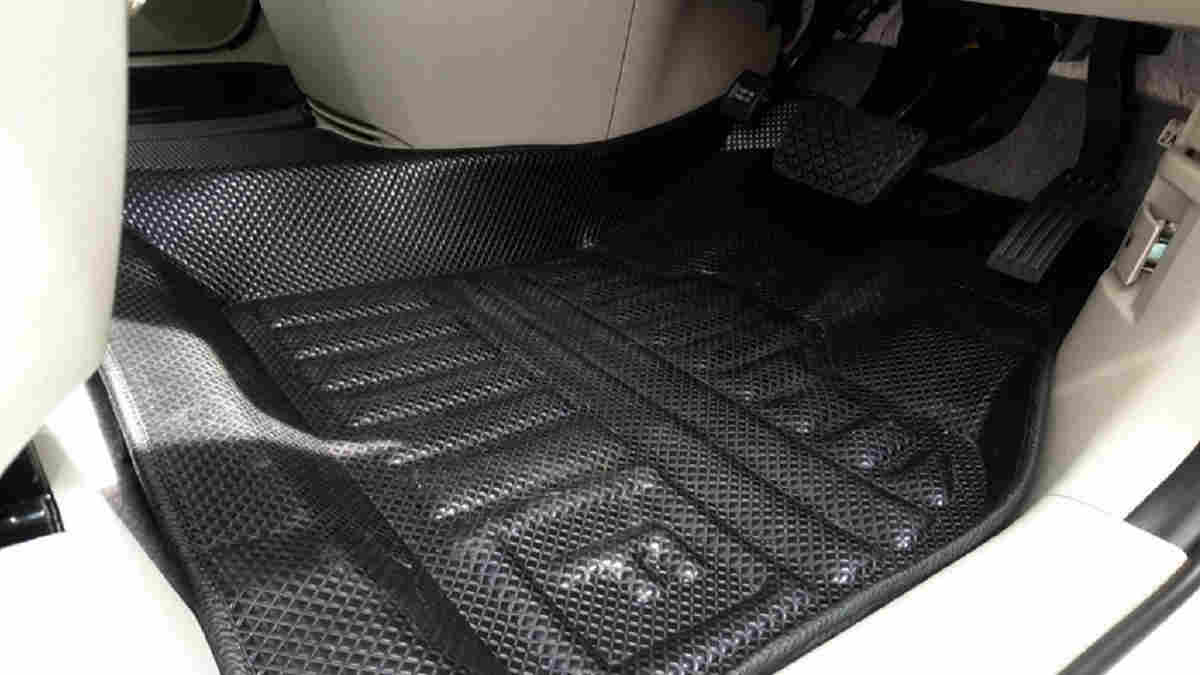
You want protection that matches your vehicle’s premium finish—durable, waterproof mats that stop spills and repel odors without sacrificing style. Choose mats made from high-density, non-porous materials with sealed seams and built-in odor-blocking layers to keep your cabin dry, clean, and smell-free.
Expect a guided look at what makes luxury mats different (materials, anti-slip design, and fit), top options suited for premium cabins, and practical tips for installation and long-term care so your investment keeps performing. This article helps you compare features, pick the right style for your car, and maintain that like-new feel while minimizing environmental impact.
Understanding Luxury Car Mats
Luxury car mats protect your cabin, control odors, and keep liquids from reaching the factory carpeting. Choose mats by material, anti-odor construction, and waterproofing performance to match your vehicle’s use and climate.
Premium Materials for Car Mats
You should look for materials that balance durability, comfort, and appearance. EVA foam and thermoplastic elastomer (TPE) provide a soft yet resilient surface that resists cracking and stays dimensionally stable in heat. Leather or leatherette tops offer an upscale look but require a waterproof backing to prevent moisture transfer to the floor.
Consider multi-layer constructions: a textured wear layer, a waterproof core, and an anti-slip backing. That structure gives abrasion resistance on top, liquid containment in the middle, and secure placement below. For heavy-duty use, choose thicker mats (4–7 mm or more) with reinforced seams to avoid edge curl and long-term deformation.
Maintenance matters too. Select materials that tolerate hot-water rinses, mild detergents, and occasional UV exposure without discoloring. Match color and texture to your interior for a factory-fitted appearance.
Anti-Odor Features in Modern Car Mats
You want mats that neutralize smells rather than mask them. Look for activated carbon or zeolite embedded in the mat core; these adsorb volatile organic compounds (VOCs) and food odors effectively. Some premium mats include antimicrobial treatments (silver ion or quaternary ammonium compounds) applied to the top layer to inhibit bacterial and fungal growth that causes persistent smells.
Avoid mats with high-emission adhesives or PVC that often emit plasticky odors when new. Check for low-VOC certifications or manufacturer VOC test data when possible. Removable top liners and washable inserts also help: you can clean food spills quickly before bacteria proliferate, reducing long-term odor buildup.
Importance of Waterproof Design
Waterproofing prevents staining, rust, and mold growth under the mat. Effective waterproof mats use a continuous impermeable core—typically TPE, EVA, or rubber—sealed at seams and with raised lips around the perimeter to contain spills and slush. For full protection, choose models that cover footwell contours and extend under pedals without interfering with pedal travel.
Attachment systems matter: clips, anchor points, or custom-fit heel pads keep mats flat so liquids flow toward containment channels instead of seeping beneath. In wet climates, opt for mats with deep channels and a textured surface to trap water and grit, making removal and drainage simple.
Key Features of Waterproof and Odorless Luxury Mats
These mats keep liquid and debris off your vehicle floor while preventing lingering smells and movement. Focus on materials, edge sealing, anchoring, and cleaning ease to match a premium cabin.
Non-Slip and Secure Fit
You need mats that stay exactly where you place them. Look for integrated mounting holes or compatibility with your car’s factory anchors; mats that clip to OEM posts reduce forward sliding under pedal areas and prevent safety hazards.
Surface texture matters. Micro-grooves or patterned treads channel water and grit away from contact points while improving foot traction. Also check underside design: molded nibs, raised ribs, or a grippy rubberized backing increase friction against carpet.
Pay attention to fitment shape and raised edge profiles. A contoured mat that follows footwell curves and reaches up the toe area minimizes sideways movement and protects seams. For trunk or cargo mats, anti-slip inserts or Velcro patches keep heavy items from shifting.
Easy Cleaning and Maintenance
Choose materials that resist staining and shed water quickly. Closed-cell rubber, PVC blends, and thermoplastic elastomer (TPE) wipe clean with a damp cloth and don’t absorb liquids, so spills remain surface-level for fast removal.
Look for mats with shallow channels and removable bead traps. These trap debris and direct liquids to low points, so you can lift the mat, shake out solids, then hose or rinse without soaking the vehicle floor. Quick-dry materials let you reinstall mats within minutes.
Check for low-odor manufacturing and anti-microbial treatments. Mats treated with odor-inhibiting agents or produced from low-VOC materials help prevent mildew and sour smells after repeated wetting. Regularly remove and air the mats to extend that protection.
Top Choices for Premium Cars
Choose products that combine waterproof construction, odor-resistant materials, and exact fit for your specific make and model. Focus on brands that offer multi-layer protection, non-slip backing, and replaceable heel pads.
Recommended Brands and Products
- 7D / MaxMat (custom series): multilayer design with raised edges, waterproof top layer, and dense anti-odor foam core. Choose the model cut for your vehicle to avoid gaps around pedals and seat rails.
- Comfort Deluxe / Premium: available in multiple thicknesses and color options, often include heel pad and stitched logo. Look for versions with treated fabric to resist mildew and trapped smells.
- Trapo Xtreme: easy-clean synthetic surface and anti-bacterial treatment. Best if you prioritize spill cleanup and low maintenance.
- Carfit Executive / Emirate / Bright Crown premium lines: luxury finish with tailored heel pads and full coverage for driver, passenger, and cargo areas.
When you compare, check these specifics: exact vehicle fit (trim maps), presence of raised edges, backing type (rubberized anti-slip), and advertised anti-odor/bacterial treatments. Prioritize products that list material composition and cleaning instructions.
Custom Fit Versus Universal Options
Custom-fit mats match your car’s floor contours and anchor points, preventing slippage around pedals and seat tracks. They seal better at door sills and under seats, which helps contain liquids and odors; choose custom if you drive high-end models or want OEM-like appearance.
Universal mats cost less and cover general areas, but they often leave gaps at edges and may require trimming. You can still get waterproof, odor-resistant materials in universal options, yet expect more movement unless you add aftermarket anchors.
Decide based on usage: heavy commuting, children, or pets justify custom-fit for safety and containment. For occasional use or budget constraints, pick a high-quality universal mat with a strong anti-slip backing and a removable top layer for cleaning.
Benefits of Upgrading to Luxury Waterproof Mats
Luxury waterproof mats protect against spills, salt, and mud while resisting odors and wear; they also preserve factory trim and maintain buyer appeal. Expect easier cleaning, targeted coverage for footwells and cargo, and materials designed to repel moisture without trapping smells.
Enhanced Interior Protection
You get a physical barrier that keeps liquids, grit, and road salt off carpet and underpadding. Look for mats with raised edges and channeling patterns; these contain spills and guide fluids away from seams and electrical connectors.
Choose materials such as multi-layer EVA or sealed rubber that resist compression and shed water. These materials also dry quickly and let you wipe or hose the mat clean without degrading the backing or adhesive. Anti-slip backing and precise OEM-style fit prevent shifting that can expose carpet or interfere with pedals.
Some premium mats include antimicrobial or activated-charcoal layers to reduce moisture-driven odors. That feature matters if you frequently carry wet gear, run kids to activities, or live in coastal or winter climates where salt and humidity accelerate interior damage.
Boosting Vehicle Resale Value
Upgrading to high-quality waterproof mats shows buyers you cared for the interior, and evidence of well-maintained flooring can improve perceived value. Photographs of a clean, undamaged footwell and odor-free cabin make listings stand out in resale markets.
Because luxury mats preserve the original carpet and reduce wear on high-traffic zones, you lower the likelihood of costly carpet replacement during resale negotiation. Retain receipts and warranty information for the mats; documentation supports your maintenance claims and can justify a higher asking price.
Select mats that match or complement the vehicle’s interior color and contour. A tailored appearance signals attention to detail, which buyers often equate with better overall upkeep.
Choosing the Right Car Mat for Your Premium Vehicle
Select mats that protect against spills, resist odors, and fit your cabin precisely. Focus on material performance, fastening systems, and finish so the mats match the car’s luxury feel and safety requirements.
Factors to Consider Before Buying
Prioritize material first: choose closed-cell EVA or thermoplastic rubber for waterproofing and easy cleaning, and choose antimicrobial-treated top layers to prevent persistent odors. Look for a textured surface that traps mud and liquids without being abrasive to leather upholstery.
Check thickness and edge sealing. Thicker mats (4–8 mm) give sound damping and underfoot comfort, while raised lips and sealed seams prevent liquids from reaching carpet. Confirm weight and flexibility so mats lie flat and don’t buckle under pedals.
Inspect attachment systems and certifications. Use OEM-style anchors, anti-slip nibs, or Velcro that lock mats in place to avoid pedal interference. Prefer products with ISO or automotive-spec flame/odor testing when available.
Compatibility With Popular Luxury Car Brands
Match mats to brand-specific floor contours and mounting points. For BMW, Mercedes-Benz, Audi, Lexus, and Volvo, pick mats with model-year fitment listings and anchor-hole patterns that align with factory hooks.
Verify trim and pedal clearance per model. Some performance-oriented models have deeper footwells or aluminum pedals that require thinner heel pads or reinforced zones. For EVs like Tesla, choose mats with full-coverage rear footwell options and waterproof cargo liners.
Consider aesthetic finishes that complement interiors. If your vehicle has Alcantara or two-tone leather, select mats in neutral colors (black, charcoal, beige) with discreet piping or OEM-matched stitching to preserve the cabin’s premium look.
Installation Tips and Best Practices
Start by cleaning and drying your vehicle’s floor thoroughly. Remove existing mats, vacuum debris, and wipe surfaces; moisture or dirt prevents secure fit and can trap odors.
Test-fit the mat before final placement to check alignment with seat rails, pedals, and anchor points. Ensure the mat’s cutouts match your vehicle’s contours so it won’t shift while driving.
Use the manufacturer’s anchors or non-slip backing to secure the mat; press firmly at attachment points. If your mat lacks anchors, add anti-slip pads or Velcro designed for automotive use for extra hold.
Trim only if the mat provides a trimming guideline; cut small amounts at a time and follow the marked lines. Keep the trimmed pieces and test fit repeatedly to avoid over-cutting and gaps.
For waterproof and odor-resistant models, leave a short airing period after unboxing to dissipate factory smell. If you detect persistent odor, wipe the mat with a mild, pH-neutral cleaner and air it outside briefly.
Maintain a safe pedal area by confirming no edge overlaps the accelerator or brake; any interference can be hazardous. Recheck fit after heavy use and adjust or re-anchor as needed.
Use gentle cleaners and avoid harsh solvents that can damage waterproof coatings or anti-odor treatments. Periodically remove and clean mats to prevent trapped moisture and mold growth.
Quick reference:
- Clean floor first
- Test-fit, then anchor
- Trim sparingly along guides
- Air out new mats
- Avoid overlapping pedals
- Clean with mild products
Care and Maintenance for Long-Lasting Performance
Keep the carpet dry, odor-free, and free of abrasive dirt to preserve waterproofing and anti-odor treatments. Clean spills quickly, use the right cleaners, and store mats flat and dry when not in use.
Routine Cleaning Techniques
Vacuum weekly to remove sand and grit that abrade fibers and coatings. Use a vacuum with a brush roll on low suction for looped or plush mats; for rubberized or TPU surfaces, a handheld vacuum or sweeping works well.
Treat spills immediately. Blot liquids with microfiber cloths—do not rub—and lift solids with a plastic scraper. For stubborn stains, mix warm water with a pH-neutral automotive upholstery cleaner at manufacturer-recommended dilution and apply sparingly with a soft brush.
Rinse synthetic mats with a hose and mild soap; avoid high-pressure washers that can force water into seams or damage anti-bacterial coatings. Dry mats flat in shade for at least 4–6 hours; ensure backing is fully dry before reinstalling to prevent trapped moisture and odors.
Proper Storage Recommendations
When removing mats for winter or deep cleaning, store them flat to prevent warping. If stacking is necessary, place clean paper or breathable cloth between mats to allow airflow and avoid trapped moisture.
Keep stored mats in a cool, dry area out of direct sunlight to preserve waterproof membranes and prevent UV-related breakdown. For long-term storage, add a silica gel packet or desiccant to the container to control humidity.
Avoid folding or tightly rolling premium mats; creases can crack coatings and break adhesive bonds in multi-layer constructions. Label or photograph placement so you reinstall each mat in its correct seat position, preserving fit and safety anchor alignment.
Environmental Impact of Luxury Car Mats
You should weigh material sourcing and end-of-life handling when choosing luxury car mats. Prioritize options that reduce fossil-fuel content, lower emissions during production, and offer responsible disposal or recycling.
Sustainable Material Options
Choose mats made from recycled rubber, thermoplastic elastomers (TPE) with recycled content, or natural fibers treated for water and odor resistance. Recycled rubber diverts tires from landfills and typically uses less energy than virgin rubber production. TPE offers good durability and can be formulated to include post-consumer plastics, lowering virgin polymer demand.
Avoid PVC-heavy mats when possible; PVC manufacturing releases chlorine-containing compounds and can emit persistent additives. If you prefer foam-based luxury mats, look for EVA blends certified for low volatile organic compound (VOC) emissions to reduce in-car off‑gassing. Check manufacturer datasheets for percentage of recycled content, VOC test results (e.g., ISO 16000), and any third‑party eco labels.
Eco-Friendly Disposal Methods
Plan disposal before purchase by checking producer take-back programs or local automotive-recycling centers. Many custom mat makers accept used mats for recycling or refurbishment; this prevents mats from ending up in municipal waste streams where synthetic materials persist for decades.
If recycling isn’t available, consider mechanical downcycling: cut mats into liners for garage floors, tool trays, or garden paths. For biodegradable or natural-fiber mats, composting applies only when the product has no synthetic coatings—verify material breakdown tests first. Always remove metal clips or adhesive layers before recycling to improve material recovery rates.