You want a car interior that feels premium every time you open the door and stands up to daily wear. This article shows how custom luxury car carpets deliver comfort, fit, and longevity across different vehicle types — from compact hatchbacks to high-end SUVs — so you can choose what truly fits your needs.
Custom luxury car carpets combine precise fit, durable materials, and easy maintenance to give your cabin a premium look and lasting protection. Expect explanations of materials and construction, guidance on matching carpets to your vehicle, installation basics, and the latest trends so you can make an informed choice without guesswork.
Follow along to learn which carpet types pair best with your driving habits, how tailoring affects comfort and safety, and what features justify the investment for long-term value.
What Makes Luxury Custom Car Carpets Comfortable and Durable
Luxury custom car carpets combine material choice, precise manufacturing, and real-world performance to give you comfort underfoot and protection that lasts. You get soft, supportive surfaces, tight-fitting edges, and resistance to stains, wear, and moisture.
Premium Materials for Comfort
Choose carpets that use layered construction: a top layer of high-density nylon or PET fibers, a middle foam padding (EVA or polyurethane) for cushioning, and a waterproof backing such as TPE or rubber. High-density nylon offers resilience against flattening and resists oil and dirt. PET fibers provide a softer touch and better colorfastness if you prefer richer tones.
Look for closed-cell EVA or multi-density PU foam for shock absorption and sound deadening. These materials keep the carpet looking thicker while reducing road noise. The backing must match your car’s climate: TPE and rubber suit wet conditions, while breathable laminates work better in hot, dry climates.
Pay attention to fiber treatment and finishes. Anti-stain coatings, UV stabilizers, and anti-static treatments maintain appearance and comfort over time without changing the carpet hand.
Advanced Production Techniques
Precision CNC scanning or laser mapping of your vehicle’s floor creates a contour-accurate pattern that prevents gaps and tripping hazards. Custom milling or water-jet cutting produces clean, consistent edges that follow door sills and pedal zones.
Multi-layer lamination under heat and pressure bonds foam, fiber, and backing into a single composite that resists delamination. Overlocked or heat-sealed seams at stress points prevent unraveling and water ingress. Anti-slip nibs or integrated heel pads get vulcanized or thermally bonded to the backing in high-wear areas to avoid shifting.
Quality control steps like wear simulation, UV aging, and moisture cycling test the finished carpet for real-world durability before you install it. These steps ensure repeatable fit and finish across production runs.
Long-Lasting Performance in Daily Use
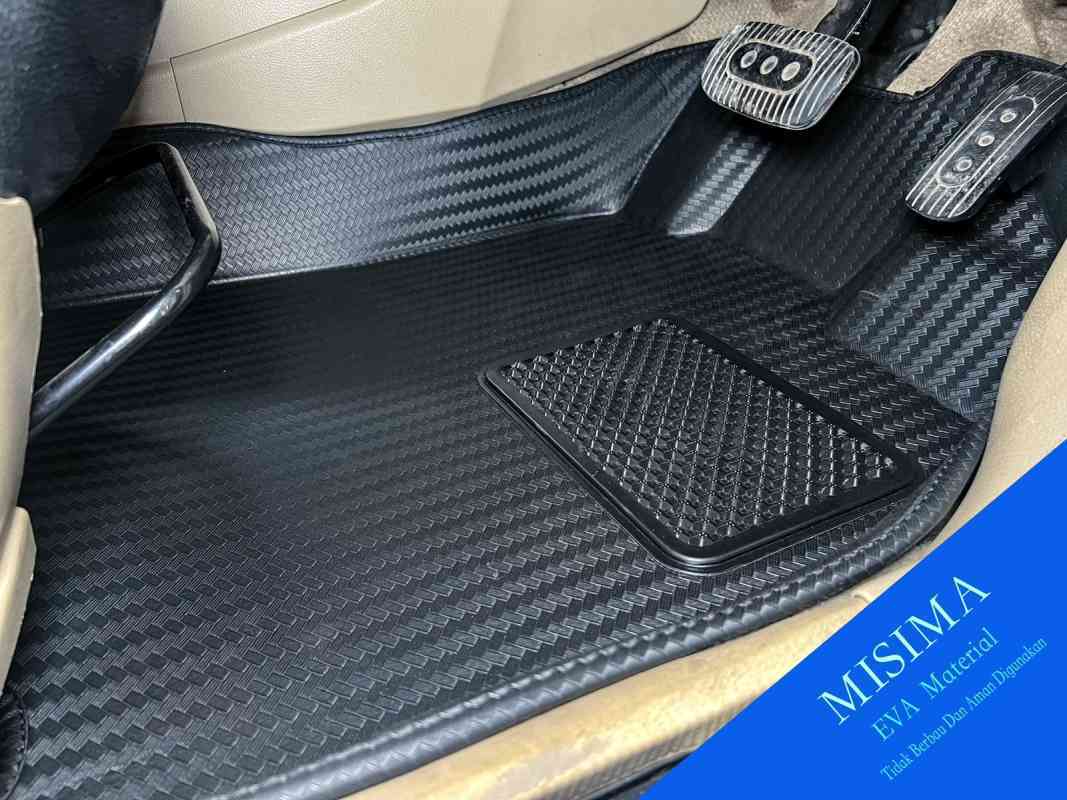
Durability comes from targeted reinforcement where you actually use the carpet: heel pads at the driver’s footwell, raised lip edges to contain spills, and welded bead trim on the doors. These features reduce localized wear and make cleaning easier.
Maintainability matters. Choose low-pile or loop constructions that brush out dirt, or sealed surfaces that you can wipe and hose. Water-resistant backings stop salts and moisture from reaching the vehicle floor and prevent corrosion.
Expect multi-year dimensional stability when materials resist compression, UV fading, and moisture breakdown. Check for warranties that specify abrasion cycles and colorfastness; those metrics tell you how the carpet will perform in everyday driving and heavy-use scenarios.
Tailoring Car Carpets for Different Vehicle Types
You need carpets that match the vehicle’s floor shape, traffic patterns, and use-case. Fit, material choice, and edge detailing change significantly between sedans, SUVs/MPVs, compact cars, and commercial or luxury vehicles.
Custom Fit for Sedan Models
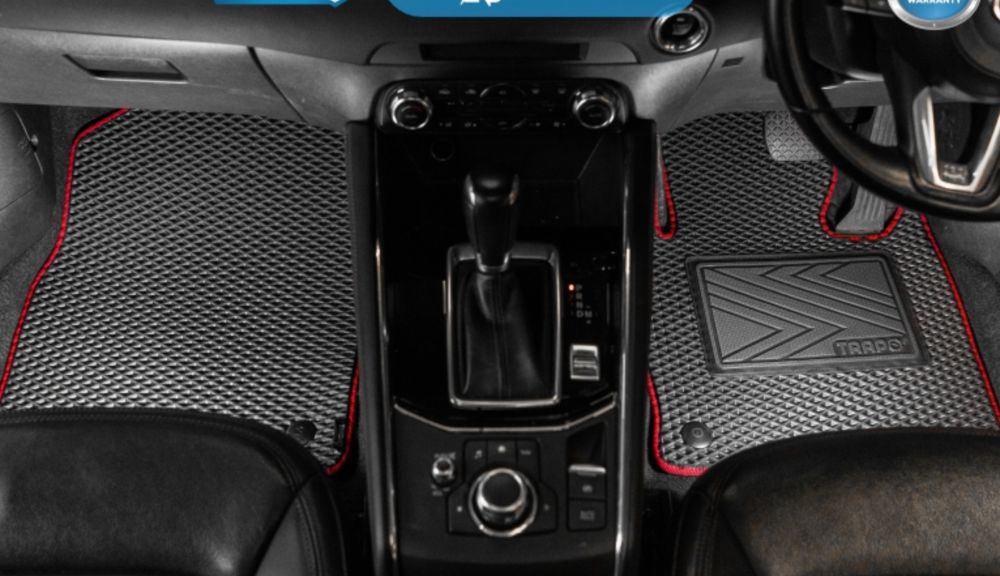
Sedans usually have a flatter floor and defined footwell boundaries front and rear. Choose a one-piece or two-piece design that follows the contour from under the pedal cluster to the rear seat riser to avoid gaps where dirt and liquids collect.
Prioritize a low-profile heel pad in the driver’s area to resist wear from repeated heel movements. Use stitched edges and anti-slip backing so the mat stays aligned with factory anchors; misalignment can interfere with pedals or sliding seats.
For material, pick dense synthetic leather or laminated carpet with a waterproof core if you expect wet shoes. Color-match to your interior trim and select a thin sound-deadening layer if road noise is a concern without adding bulk under seats.
Solutions for SUVs and MPVs
SUVs and MPVs have higher footwells, irregular step-up points, and often a cargo area that connects to the cabin. Opt for modular sets: separate front, middle-row, and cargo liners that lock together at seams. This prevents movement when loading gear or folding seats.
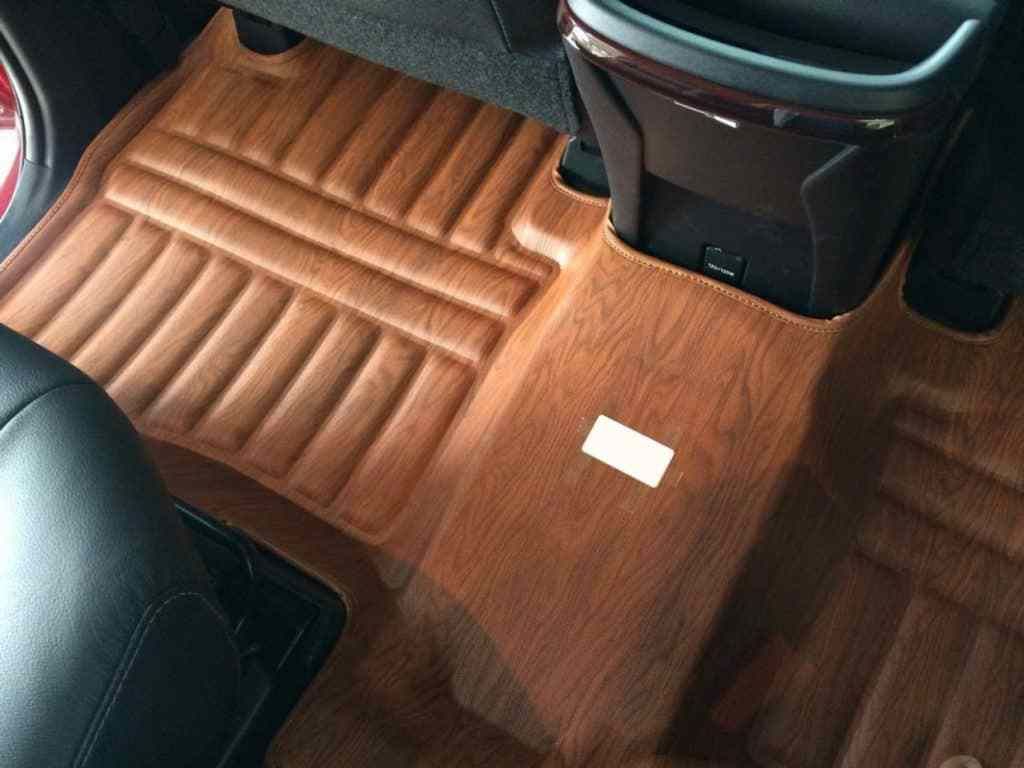
Choose thicker, hot-pressed or molded mats that cover wheel arch cutouts and the center tunnel in full; these vehicles see heavier debris from outdoor activities. Include raised edges in cargo liners to contain spills and a textured surface to reduce sliding of luggage or child seats.
Fastening systems should include extra anchor points or Velcro patches to secure mats in taller boot areas and around removable second-row seats. Consider water-resistant materials for families and off-road use.
Options for Compact Cars
Compact cars have tight floor space and minimal heel clearance under pedals. You need slim-profile carpets that trim precisely around pedals, seat rails, and parking-brake housings. Laser-cut custom pieces that follow factory mounting holes prevent bunching and ensure safe pedal operation.
Lightweight materials work best to avoid adding weight or impeding seat movement. Still, choose abrasion-resistant face fabric in the driver zone because repeated entry and exit cause localized wear.
If your compact is used for city driving and occasional wet conditions, select a thin waterproof membrane beneath the carpet surface to protect the factory floor without raising seating height.
Adaptations for Commercial and Luxury Vehicles
Commercial vehicles demand durability and easy maintenance; luxury vehicles prioritize finish, fit, and acoustic performance. For commercial use, pick industrial-grade rubberized or PVC-backed mats with deep channels to trap mud and liquids. Go for quick-release fastening and heel-reinforced zones for drivers who spend long hours on the road.
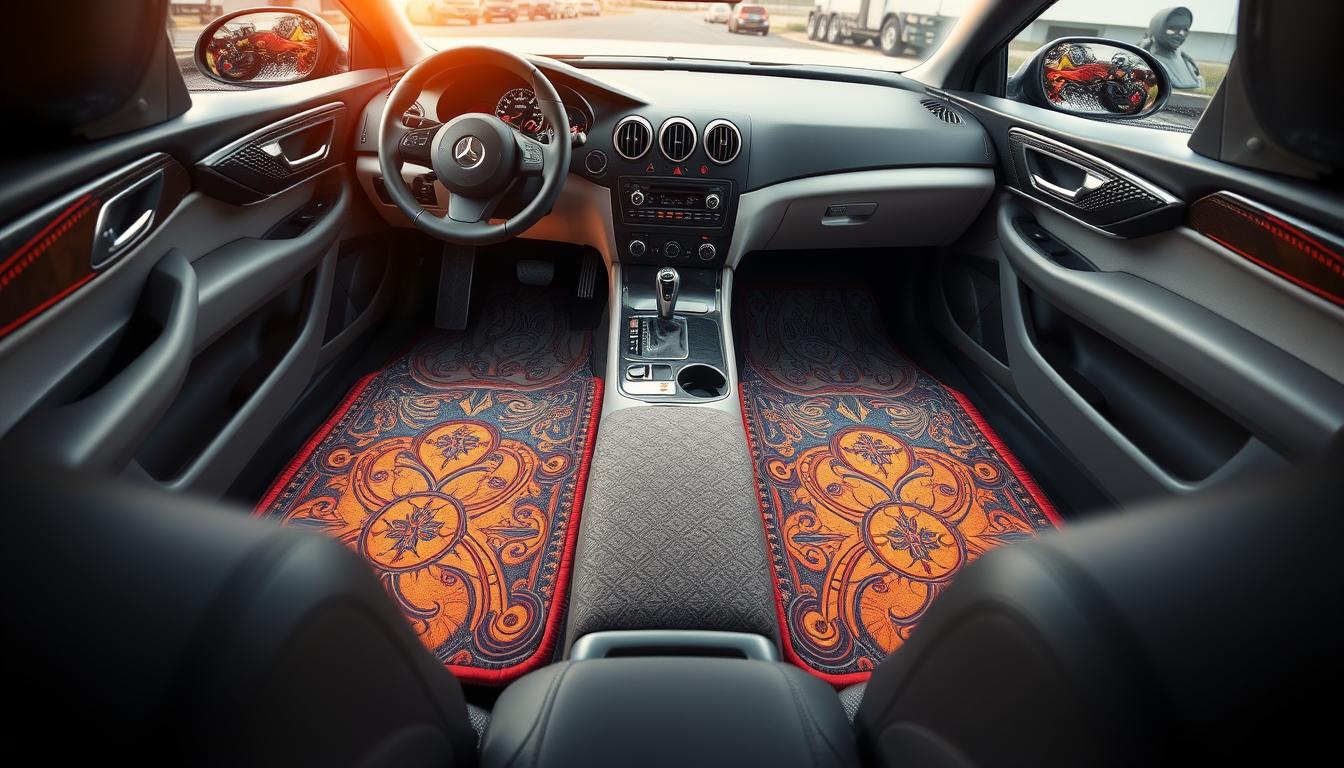
For luxury cars, specify high-density premium wool or top-grain synthetic leather with hand-finished piping, exact color-matching, and integrated sound insulation. Add custom embroidery or contrast stitching only if it aligns with the interior styling.
Both categories benefit from tailored coverage: extend liners to the cargo floor in vans, and include cut-to-fit trunk pieces for executive sedans to preserve resale value and brand-consistent appearance.
Benefits of Investing in Custom Luxury Car Carpets
You get targeted comfort, precise protection for floor contours, and a measurable boost to resale appeal when you choose custom luxury car carpets. Each benefit ties directly to material choice, fit quality, and maintenance ease.
Enhanced Driving Experience
Custom luxury carpets match your car’s floor geometry, eliminating bunching and gaps that can interfere with pedal feel. A snug fit prevents the carpet from sliding under the accelerator or brake, reducing safety risk and letting you focus on driving.
Materials like TPE, high-grade PVC, or layered EVA foam provide consistent cushioning underfoot. That lowers vibration and road noise, so you hear less tire and engine rumble inside the cabin. Choose a low-profile option if you prefer sharper pedal feedback; pick thicker, multilayered variants when you prioritize comfort on long drives.
A tailored surface also improves foot traction and reduces slippage while entering, exiting, or adjusting foot position. Many luxury options add textured heel pads at the driver’s side for targeted wear resistance where you need it most.
Protection for Vehicle Interiors
Custom fit means edge-to-edge coverage that blocks dirt, water, sand, and salt from reaching original carpeting and metal floor pans. Waterproof backing and sealed seams prevent liquids from seeping through during spills or rainy weather, protecting wiring and underlayment from corrosion.
Durable top layers resist staining and abrasion; you can choose finishes that trap debris in recessed channels for easy removal. Removable inserts and anti-odor treatments make routine cleaning faster and keep the cabin hygienic. For frequent cargo or pet use, thicker base layers absorb impact and distribute weight, reducing stress points on factory flooring.
Investing in materials rated for UV and chemical resistance also minimizes color fade and breakdown from sunscreen, cleaners, or fuel traces. That preserves the structural integrity of the interior over years of use.
Resale Value Improvement
Well-maintained, factory-fit flooring signals to buyers that the vehicle received attentive care. Custom luxury carpets cover original wear and prevent further damage, which helps retain interior condition scores during inspections and trade-in assessments.
Documenting the carpet brand, material specifications, and installation details adds credibility when negotiating resale or trade-in. Buyers notice tailored fit and premium finishes; that can justify a higher asking price compared with cars showing stained or worn original mats.
Because custom carpets reduce long-term deterioration of the factory carpet and floor pan, they can avoid costly restoration or deep-cleaning costs prior to sale. That tangible cost savings and improved presentation often convert directly into better offers from private buyers and dealerships.
Choosing the Right Custom Car Carpet for Your Needs
Select materials, fit, and features that match your driving habits, climate, and vehicle use. Prioritize durability, water resistance, and ease of cleaning to keep the interior looking new while matching your aesthetic preferences.
Factors to Consider Before Buying
Assess how you use the car. If you carry tools, pets, or kids, choose heavy-duty materials like rubber or EVA foam that resist stains and abrasion. For daily city driving with light foot traffic, premium carpet (5D/7D or high-density loop) gives a luxurious feel while remaining reasonably durable.
Measure the floor precisely or request a template fit for your exact make and model. Custom-fit mats prevent dirt migration and reduce movement under pedals. Check for integrated heel pads, anti-slip backing, and raised edges to contain spills.
Consider climate and odor. In humid regions pick waterproof, quick-dry materials; in cold climates choose thicker insulating carpets. Verify warranty terms and replacement options; longer warranties often indicate higher manufacturing standards.
Color and Design Customization
Choose color based on maintenance and interior contrast. Darker colors hide dirt and scuffs; lighter tones brighten the cabin but require more frequent cleaning. For two-tone designs, use darker colors in high-contact zones (footwells) and lighter shades on lower-visibility areas to balance aesthetics and practicality.
Specify stitch color, piping, and logo placement when ordering. Contrasting piping can highlight contours and complement seat upholstery. If you want a personalized emblem, request a removable badge or low-profile embroidery to avoid uneven wear.
Pick textures and patterns for function as well as looks. Honeycomb or bubble patterns trap debris and reduce slipping, while velour or loop pile offers a softer feel. Ask the vendor for material samples or photos of installed carpets in similar vehicles before finalizing.
Care and Maintenance Recommendations
Vacuum regularly with a handheld or brush attachment to remove grit that abrades fibers. For daily maintenance, shake out loose mats and wipe raised-edge trays with a microfiber cloth to remove sticky residues.
Treat stains promptly: blot liquids immediately, then use a manufacturer-recommended cleaner for the specific material (rubber cleaner for rubber/EVA, mild detergent for fabric). Avoid strong solvents and bleach which can degrade backing and color.
Deep-clean periodically. For fabric carpets, use a low-pressure extractor or professional steam cleaning once or twice a year. For rubber/EVA, remove mats and hose them down, then air-dry flat. Store removable items flat and avoid prolonged sun exposure to prevent fading and warping.
Installation Process for Custom Luxury Car Carpets
You will need to decide whether to hire a professional or install the carpets yourself, and then follow specific preparation and fitment steps to ensure a secure, water-resistant fit that matches your vehicle’s anchor points and contours.
Professional Installation vs. DIY
Hiring a professional saves time and guarantees alignment with factory anchor points, Velcro strips, and any OEM hooks your car uses. Professionals cut, trim, and heat-form carpets to match contours; ask for an installation checklist and confirm they will test pedal clearance and seat rail movement.
If you choose DIY, gather tools: trim pry bar, utility knife with new blades, heat gun, measuring tape, and anti-slip pads or Velcro. Work on a clean, flat surface and follow the manufacturer’s template. Take extra care around pedals, center console, and seat mounts to prevent interference.
Cost and time differ: pros typically charge for labor but handle custom shaping and warranty issues. DIY reduces cost but requires patience, precise cutting, and testing to avoid hazards like carpet bunching under pedals.
Preparation and Fitment Steps
Start by removing existing mats and vacuuming the floor thoroughly. Clean mounting points, remove debris from carpet edges, and inspect for rust or loose clips before laying any new material.
Dry-fit the carpet piece first; align edges with door sills and seat rails without fastening. Mark cut lines with removable tape near pedals, footrest, and seat brackets. Trim gradually—small cuts are reversible, large ones are not.
Secure the carpet using the method recommended by the maker: factory hooks, snap fasteners, sticky Velcro strips, or anti-slip backing. Use a heat gun on synthetic or leather-faced carpets to soften and form around wheel wells and transmission humps for a snug fit.
Finally, test functionality: move seats full travel, press pedals through their range, and drive slowly to check for shifting. Re-tighten fasteners and add edge trim where needed to protect seams and improve waterproofing.
Trends and Innovations in Custom Car Carpets
You’ll see two major directions driving product choices: materials that reduce environmental impact while staying durable, and integrated features that increase comfort, safety, and convenience.
Eco-Friendly Materials
You can choose carpets made from recycled TPE (thermoplastic elastomer) blends that cut landfill waste without sacrificing flexibility or water resistance. Recycled TPE performs like virgin material for wear resistance and is often odor-neutral, which matters in confined cabins.
Natural-fiber options such as bamboo-charcoal-infused yarn or wool blends offer breathability and temperature regulation. These fibers wick moisture and resist odors, though they require more careful cleaning and may cost more upfront.
Look for manufacturing details: low-VOC adhesives, solvent-free backing, and ISO or environmental certifications. Those specs tell you whether the product genuinely reduces emissions and chemical exposure inside your car.
Smart Features and Modern Designs
Modern custom mats combine form and function: anti-slip backing patterns, raised lips to contain spills, and laser-cut edges that match door sills precisely. These design choices prevent dirt migration and simplify cleaning.
You can add functional tech like embedded sensors for moisture detection, heating elements for footwarmth, or conductive paths for charging accessories. Expect these options on higher-end custom builds and verify water-sealing and wiring protection before installation.
Aesthetic trends focus on low-profile, contour-accurate 3D designs and modular pieces that let you replace only worn sections. Color-matched piping, embroidered logos, and textured zones for pedal areas give a premium look while targeting high-wear points.
Conclusion
You can choose a custom luxury car mat that balances comfort, durability, and fit without sacrificing style. Prioritize materials like TPE/EVA or layered synthetic options for water resistance and easy cleaning, especially if you use the car daily.
Consider fit and installation: a true custom or 3D-fit mat follows your floor contours, reduces movement, and protects high-wear zones. If you drive in wet or dirty conditions, select mats with raised edges or non-slip backing to keep debris and moisture contained.
Think about maintenance and lifespan. Darker, stain-resistant surfaces and removable liners simplify cleaning, while durable cores resist compression and retain shape over years. Match aesthetics to your interior—subtle stitching and color accents often look premium without overwhelming the cabin.
Use this checklist before buying:
- Material: TPE/EVA, synthetic leather, or rubber blend
- Fit: custom/3D-fit or tailored universal with trim options
- Features: non-slip backing, raised edges, moisture barriers
- Maintenance: removable sections, washability, colorfastness
You’ll get the best value by weighing daily use, climate, and desired appearance. Choose a reputable brand or custom provider that offers measurement support and warranty to protect your investment.